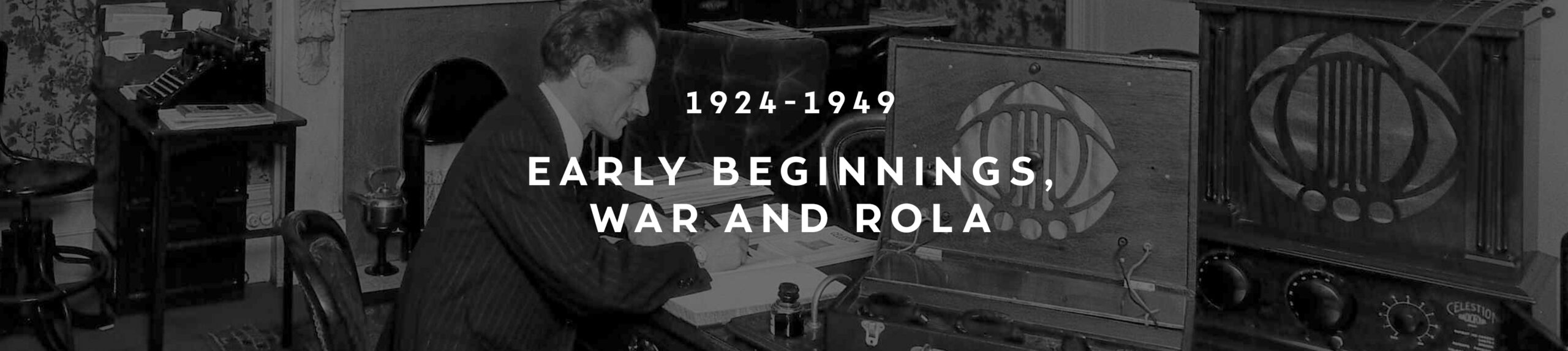
EARLY BEGINNINGS, WAR AND ROLA

Born in the Age of Radio

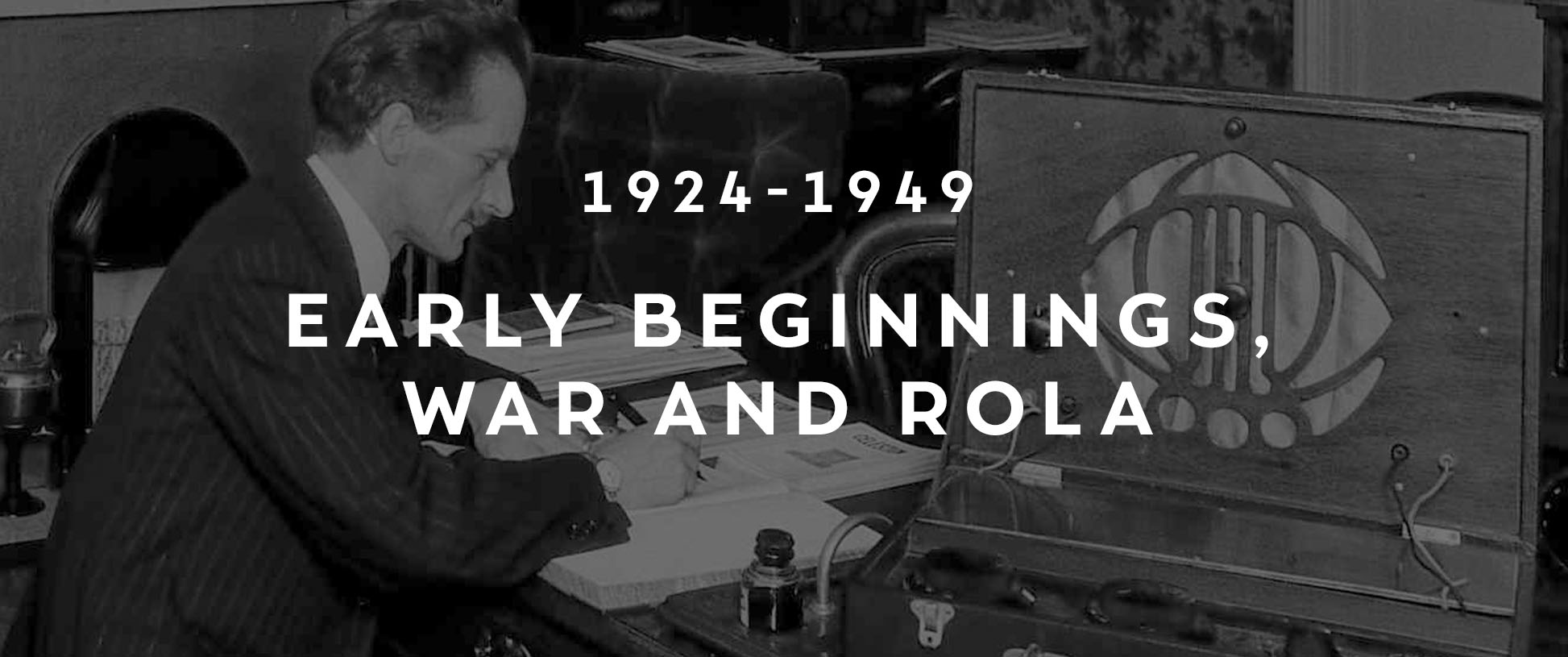
The British Broadcasting Corporation (BBC) began radio broadcasting on 14 November 1922, on a wavelength of 369 metres with the call sign 2LO. Soon, a growing number of listeners were tuning in on vacuum tube radio receivers with a separate loudspeaker cabinet , often highly decorative and taking pride of place in the lounge or front room: a piece of furniture as much to be displayed as listened to.

Around the same time, former gramophone maker Cyril French, alongside his three brothers, set up a small manufacturing business in the picturesque village of Hampton Wick to the south-west of London. As the boom in radio quickly gathered pace, 1924 saw French working feverishly on improving a design conceived by Eric Vincent Mackintosh for one of the earliest cone loudspeakers.

So it was that 1924 became the year that gave birth to Celestion — initially as the name of a product produced by the French family firm.
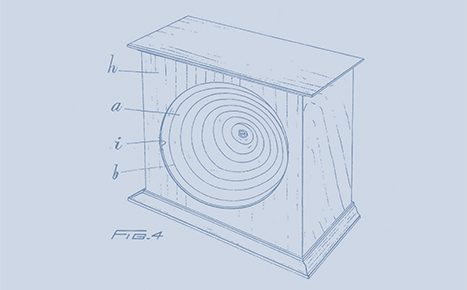
Drawing from Eric Mackintosh’s original patent application.

The Very Soul of Music

At the end of 1928, flying under the enduring slogan ‘The Very Soul of Music’, the Celestion Radio Co. was folded into the newly incorporated Celestion Ltd. The original Celestion radiophone had already been followed by a range of extension speakers, with the A1, A2, A3, A4 and A5 quickly coming into production. Boasting ‘British Manufacture Throughout’ and guaranteed for 12 months, the advertising literature of the time highlighted many technical aspects of the speakers that contributed to making them ‘The World’s Super Radiophone’.
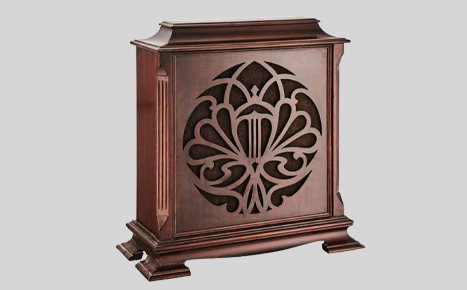
An excellent example of the mahogany C14.

Along Comes Rola

Through much of the 1930s, British Rola, an offshoot of the Rola Company of Cleveland, Ohio, had been operating almost in lockstep with Celestion. With Celestion now based at its plant in Kingston-upon-Thames, British Rola had been making similar products in north west London.

By 1933 half the households in Britain owned a radio, and Rola and Celestion competed for the home and export markets, their products influenced by the same changes in the wireless receiver market. As the receiver became more sophisticated and smaller, the loudspeaker began to be more often housed within the receiver cabinet itself, rendering the separate speaker unit unnecessary. Products were often developed to a client manufacturer’s specification—and this was the fertile market being chased by both companies.
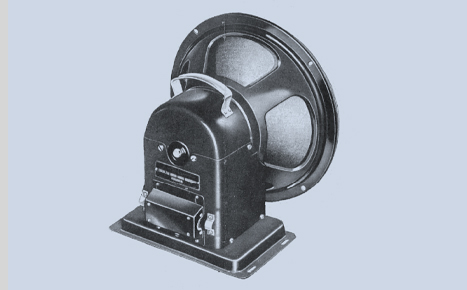
The Rola G12

Rola Celestion

On 31 July 1946, in a bold move for rapid growth just as post-war austerity was beginning to bite, speaker manufacturer British Rola acquired Celestion, eliminating a significant competitor and increasing exports in one fell swoop. In the summer of 1948, Celestion vacated the Kingston-upon-Thames factory, and production machinery and personnel moved to Thames Ditton. The two company names became braided together as Rola Celestion Ltd, and Celestion was adopted and registered as the trademark for the company’s product.

However, the new company hit problems before it really had a chance to get started when the creditors came calling. The aftermath of the post-war fuel crisis and the slow fit-out of Ferry Works, as well as lower-than-expected loudspeaker sales, meant that there was not enough cash in the coffers and the receivers were called in.

Based in the Wembley area of North London, Truvox, was well known for its public address speakers and systems that included horns and loudspeakers for cinemas as well as acoustic devices such as re-entrant horns that the company had developed for wartime use.

In November 1949 Rola Celestion’s survival was finally guaranteed when the deal was completed and the company was bought out of receivership. Truvox’s public address loudspeaker systems would soon be folded into the diverse and growing product range of Rola and Celestion, and for the next two decades it was under the Truvox umbrella that Celestion would flourish.
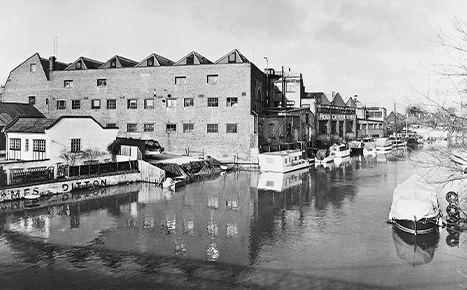
The Rola Celestion factory in
Thames Ditton.
The Rola Celestion factory in Thames Ditton.

Celestion Debuts the Shades of Greenback Digital Impulse Response Collection

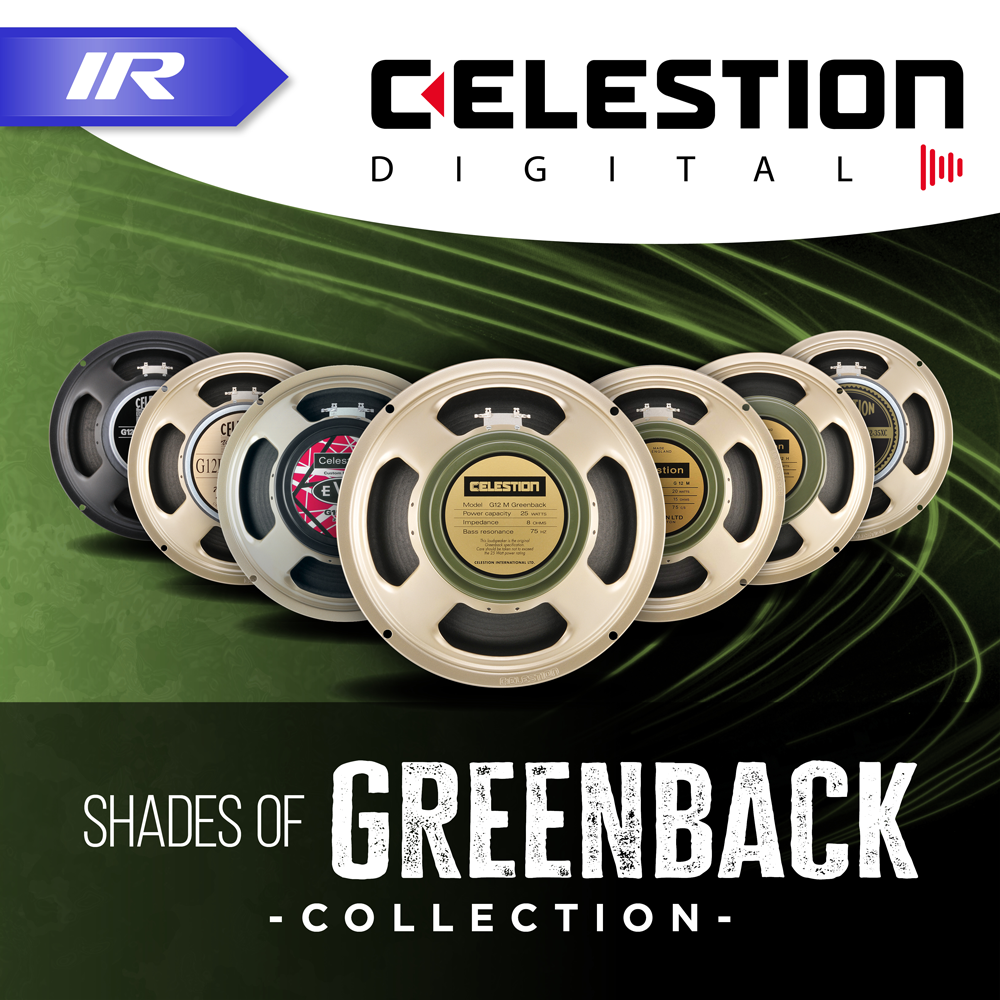
Ipswich, UK (October 4, 2023) —Celestion, the world’s premier designer and manufacturer of guitar loudspeakers, well-known as the “Voice of Rock & Roll” behind many of the world’s most memorable guitar performances, is pleased to introduce the digitally downloadable Celestion Greenback Impulse Response Collection, bringing together a collection of seven of the most popular Celestion 12-inch Greenback-style speaker tones favoured by rock legends, available for download at CelestionPlus.

This collection brings together the G12M and G12H as well the speakers that have since been inspired by these tonal icons. Fans of classic rock and all things Greenback will be in sonic heaven. Featuring the G12M, G12H Anniversary, Heritage Series G12M, Heritage Series G12H (55), G12-35XC, G12-50GL Lynchback and G12 EVH in all cabinet configurations: 1×12 (both open and closed back), 2×12 (both open and closed back) and 4×12 (closed back).

The Shades of Greenback Collection features the speakers which helped to create the tones of legends, including:

The G12M Greenback – The Legend

The G12M Greenback is the modern incarnation of the speaker that helped define rock tone; played by legends like Clapton, Page and Beck. Expect a broad mid-range attack and a restrained top-end with added grit and aggression.

The G12H Anniversary – The Heavy Rocker

Recreate the classic sounds of the 1960’s and 1970’s hard rock era with the G12 Anniversary. With no quarter given, the anniversary delivers serious swagger with its aggressive low-end, articulate treble and searing midrange.

The Heritage Series G12M – Timeless Tone

As materials and manufacturing techniques changed over time, so tones did too. The Heritage Series was the result of Celestion’s quest to build our iconic speakers as close to their 1960s specification as possible. The Heritage G12M delivers a little more openness and room to breathe than the Modern G12M.

Heritage Series G12H (55) – The Bass Cone

This G12H Heritage Series speaker features a 55Hz (low resonance) cone. Originally intended for bass guitar, it was quickly adopted by guitar players too, who loved its more pronounced low-end thump. Legend has it that Hendrix played this Greenback in his live rig.

The G12-35XC – The Sonic Legacy

A key part of the Greenback legend is the Pulsonic® cone. Sadly, they are no more, but for our 90th birthday we tried to replicate the sound of an early 70s Pulsonic Greenback, just to see if we could. The result is the G12-35XC speaker.

The G12-50GL Lynchback – Mr. Nasty

A few years ago, George Lynch came to us and requested we build him his perfect speaker. The G12-50GL is it. Beautiful, saturated vintage rhythm tones together with a modern lead sound that befits a legendary Shredmaster.

The G12 EVH – The Ultimate Brown Sound

Last but certainly not least is the EVH signature speaker. Eddie Van Halen tried several Greenback variations and he chose this one. As Ed himself put it, “Since day one, the 20-watt Greenback has been a big part of my sound.”

Each of these in the Shades of Greenback IR collection include five cabinet configurations: 1×12 (both open and closed back), 2×12 (both open and closed back) and 4×12 (closed back).

The new Shades of Greenback Impulse Responses are available individually or as a complete set, representing a significant savings over purchasing the individual IRs. And if you already own any of the speaker responses included in the collection, you’ll also receive an additional discount to complete your Greenback collection!

The new Shades of Greenback Collection joins the massive collection of Celestion Impulse Responses available for demo and download at CelestionPlus.

About Celestion Digital
The introduction of authentic Celestion Impulse Responses represented the company’s forward step in making their celebrated speaker tones available as digital downloads. Celestion IRs capture the essential behavior of a speaker in a particular cabinet in the specific space in which it was recorded, including the frequency and phase response of single drivers as well as the interaction of multiple speakers. They offer significant benefits in both recording and live production, enabling the desired tone to be precisely and consistently reproduced regardless of the recording or live sound environment. Explore, audition and download the extensive collection of Celestion guitar and bass Impulse Responses at celestionplus.com. The introduction of Celestion SpeakerMix Pro sees the company delivering a truly forward-thinking studio software solution that enables users to get every ounce of tone from Impulse Response technology. The companion Dynamic Speaker Responses launched alongside the plug-in exemplify the next generation in speaker response emulation, representing a true advancement in the technology of digital speaker tone.
Celestion Plus.

About Celestion and Celestion Guitar Speakers
An important element to essential British guitar tone since the birth of Rock & Roll, Celestion Guitar Speakers are famous for their lively and vocal midrange character with plenty of sparkle and chime. With worldwide headquarters in Ipswich, England, Celestion design, develop and manufacture premium guitar and bass loudspeakers, and high-quality professional audio drivers for sound reinforcement. These world-renowned speakers are used onstage and in clubs, theatres and other venues the world over. Contact Celestion at: info@celestion.com and visit us on Facebook at www.facebook.com/celestion.
www.celestion.com

Celestion Adds the Lynchback to its Collection of Digital Dynamic Speaker Responses (DSRs)

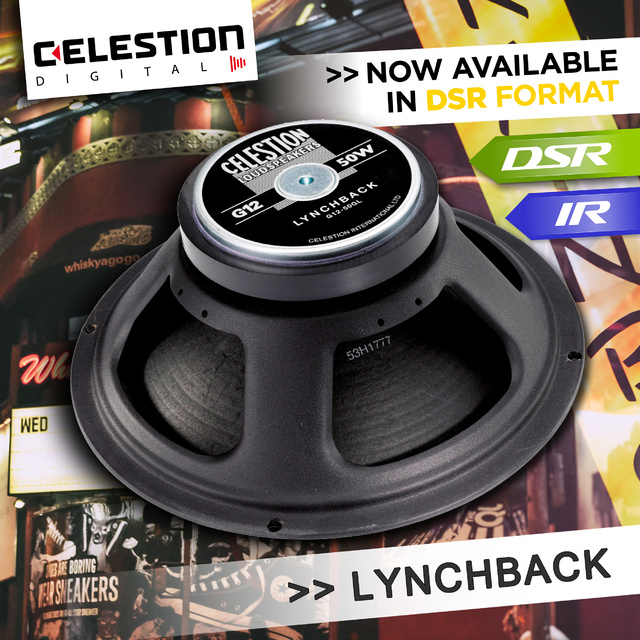
Ipswich, UK (June 06, 2023) —Celestion, the celebrated manufacturer of guitar and bass loudspeakers and professional audio drivers for sound reinforcement applications, is proud to announce the addition of the G12-50GL Lynchback collection to its offerings of  Dynamic Speaker Response (DSRs,) the next-generation digital speaker responses that capture the sound and feel of the speaker’s dynamic, non-linear responses to deliver the  greatest tonal detail. The new Lynchbacks join the extensive collection of Celestion DSRs designed especially for use with SpeakerMix Pro, the self-contained studio-grade DAW plug-in offering ground-breaking levels of detail and stunning guitar and bass speaker tones. The complete Celestion digital collections of IRs and DSRs, as well as the SpeakerMix Pro plug-in, are available for download at CelestionPlus.com.

Created to meet the exacting standards of iconic metal guitarist George Lynch, the G12-50GL Lynchback speaker delivers the legendary and much-celebrated vintage tone of a G12M Greenback with the additional capability of producing a harder, more aggressive sound on demand. Not just for high-octane shred-metal, the Celestion Lynchback delivers responsiveness, clarity, and superb dynamics.

The new Celestion Lynchback Dynamic Speaker Response collection, available exclusively for use with the company’s ground-breaking SpeakerMix Pro plugin, enables users to achieve stunningly realistic guitar tones in their DAWs with ease. Dynamic Speaker Responses (DSRs) running in SpeakerMix Pro react to the dynamics of the signal hitting the speaker to create the most authentic micro-dynamic sound of the real speakers for the next generation in digital tone, with all the life and three-dimensional feel of the real thing.

The Lynchback DSRs have been recorded by the company’s expert sound engineers using the same meticulous techniques as all of Celestion’s best-selling IRs & DSRs. Captured with three pro-quality studio microphones – the classic Shure SM57, a Royer R-121 ribbon mic and a Sennheiser MD421. Each of these mics were recorded in six different positions – named within the speaker response files as Balanced, Bright, fat, Thin, Dark and Dark 2 – as well as a rear mic position for the open back cabs. The addition of a Neumann TLM107 room mic provides the user with a huge number of different mic mixes and a range of unique tonal options.

The files for the Celestion Lynchback DSRs series are available individually or as a complete set. Explore the full range of sounds for this classic speaker, at a considerable saving over buying the individual files. The Lynchback DSR set includes five cabinet configurations: 1×12 (both open and closed back), 2×12 (both open and closed back) and 4×12 (closed back).

As a host program for the new Lynchback and the entire line of Celestion DSRs, SpeakerMix Pro presents the genuine next-generation virtual speaker solution. More than just a top-level IR loader and convolution engine for hosting impulse responses– it offers pristine sound, mixes up to six channels of different responses into a stereo or mono track and even fixes IR sample rate/project mismatches.

With SpeakerMix Pro, users can:

  • Discover Celestion’s proprietary Dynamic Speaker Responses (DSRs), the next generation in Impulse Response technology that captures the sound and feel of the speaker’s dynamic, non-linear response for even more detail and realism.
  • Integrate their personal library of Celestion and third-party Impulse Responses to make the most of the tones they already own. SpeakerMix Pro uses its unique DSR algorithm to make existing IRs more dynamic sounding, enhancing their tone with even greater feel.
  • Incorporate Celestion’s superb room responses (or add your own) into your mix for an authentic ‘live’ sound. Add room delay for further ‘depth’ and ‘size.’
  • Deploy the unique Z-curve function to closely model the dynamic electrical coupling between amp and speaker.
  • Fine-tune the mic position, enabling the user to adjust the position of the microphone across the speaker until they’ve found the tone that’s just-right (DSR-specific functionality).

The free 14-day demo of the SpeakerMix Pro plugin is available for download and automatically installs with 10 free DSR speaker cabinets curated to give users a broad tone experience across the Celestion range of guitar and bass speakers. Users can upgrade to the full version of SpeakerMix Pro at any time during or after the trial period. Simply purchase the full version of SpeakerMix Pro and select 10 free DSR cabs (choose the preferred DSRs from the available range on Celestionplus.com during upgrade).

About Celestion Digital
The introduction of authentic Celestion Impulse Responses represented the company’s forward step in making their celebrated speaker tones available as digital downloads. Celestion IRs capture the essential behavior of a speaker in a particular cabinet in the specific space in which it was recorded, including the frequency and phase response of single drivers as well as the interaction of multiple speakers. They offer significant benefits in both recording and live production, enabling the desired tone to be precisely and consistently reproduced regardless of the recording or live sound environment. Explore, audition, and download the extensive collection of Celestion guitar and bass Impulse Responses at celestionplus.com. The introduction of Celestion SpeakerMix Pro sees the company delivering a truly forward-thinking studio software solution that enables users to get every ounce of tone from Impulse Response technology. The companion Dynamic Speaker Responses launched alongside the plug-in exemplify the next generation in speaker response emulation, representing a true advancement in the technology of digital speaker tone.
Celestion Plus.

About Celestion and Celestion Guitar Speakers
An important element to essential British guitar tone since the birth of Rock & Roll, Celestion Guitar Speakers are famous for their lively and vocal midrange character with plenty of sparkle and chime. With worldwide headquarters in Ipswich, England, Celestion design, develop and manufacture premium guitar and bass loudspeakers, and high-quality professional audio drivers for sound reinforcement. These world-renowned speakers are used onstage and in clubs, theatres, and other venues the world over. Contact Celestion at: info@celestion.com and visit us on Facebook at www.facebook.com/celestion.
www.celestion.com

Celestion Introduces the Neo Creamback Digital Dynamic Speaker Responses (DSRs)

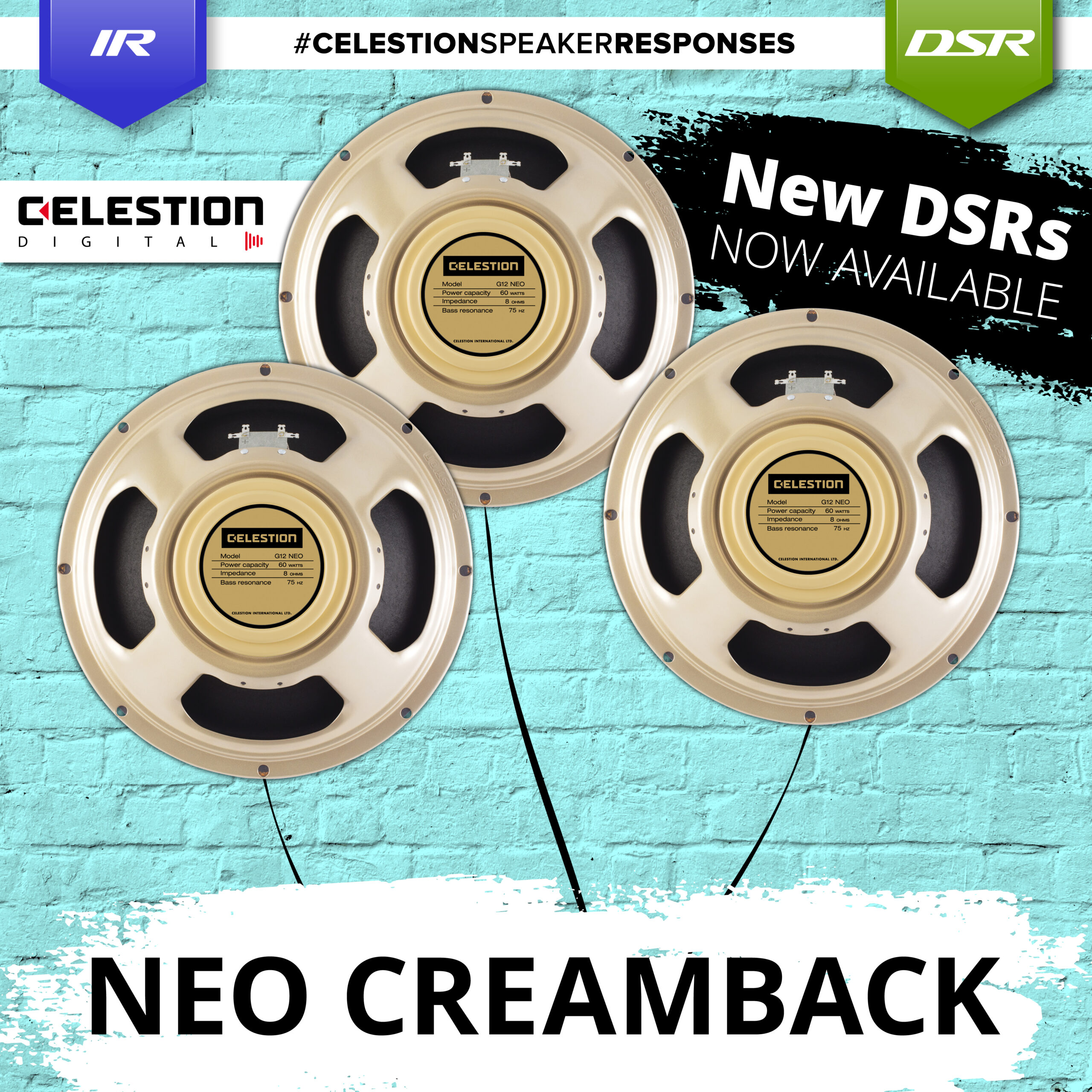
Ipswich, UK (May 15, 2023) —Celestion, the celebrated manufacturer of guitar and bass loudspeakers and professional audio drivers for sound reinforcement applications, is pleased  to announce that the Neo Creamback collection is available digitally as a  Dynamic Speaker Response (DSR,) the next-generation digital speaker responses that capture the sound and feel of the speaker’s dynamic, non-linear responses for even greater tonal detail. The new Neo Creambacks join the extensive collection of Celestion DSRs designed especially for use with SpeakerMix Pro, the self-contained studio-grade DAW plug-in offering ground-breaking levels of detail and stunning guitar and bass speaker tones. The complete Celestion digital collections of IRs and DSRs, as well as the SpeakerMix Pro plug-in, are available for download at CelestionPlus.com.

The Neo Creamback is every ounce a Classic Celestion, delivering all the magical tone from a traditional Creamback at around half the weight. When it comes to Speaker Responses of course, the speaker’s weight doesn’t matter in the slightest. This specially designed magnet assembly results in a speaker that easily delivers a Creamback-style tone and adds a little extra magic all its own.

Now available as a Dynamic Speaker Response (DSR) this highly accurate digital representation is voiced to be “in between” the celebrated G12M -65 and G12H-75 Creambacks. There is still the low-end punch, warm vocal midrange, and sweet refined highs the Creamback is famous for: push it hard and enjoy the ‘race-car growl’ that sets pulses racing! And the Neo Creamback adds to this the shimmering presence that a player would get from an Alnico guitar speaker as well as some additional note separation thanks to the powerful forces of the neo magnet.

Now the Celestion Neo Creamback has been faithfully captured in digital form as Dynamic Speaker Responses. Recorded by the company’s expert sound engineers using the same meticulous techniques as all of Celestion’s best-selling IRs & DSRs, the Neo Creamback DSR was captured with three pro-quality studio microphones – the classic Shure SM57, a Royer R-121 ribbon mic and a Sennheiser MD421. Each of these mics were recorded in six different positions – named within the speaker response files as Balanced, Bright, fat, Thin, Dark and Dark 2 – as well as a rear mic position for the open back cabs. The addition of a Neumann TLM107 room mic provides the user with a huge number of different mic mixes and a range of unique tonal options.

The files for the Celestion Neo Creamback DSRs series are available individually or as a complete set. Explore the full range of sounds for this classic speaker, at a considerable saving over buying the individual files. The Celestion Neo Creamback DSR set includes five cabinet configurations: 1×12 (both open and closed back), 2×12 (both open and closed back) and 4×12 (closed back).

As a host program for the new Neo Creamback and the entire line of Celestion DSRs, SpeakerMix Pro presents the genuine next-generation virtual speaker solution. More than just a top-level IR loader and convolution engine for hosting impulse responses– it offers pristine sound, mixes up to six channels of different responses into a stereo or mono track and even fixes IR sample rate/project mismatches.

With SpeakerMix Pro, users can:

  • Discover Celestion’s proprietary Dynamic Speaker Responses (DSRs), the next generation in Impulse Response technology that captures the sound and feel of the speaker’s dynamic, non-linear response for even more detail and realism.
  • Integrate their personal library of Celestion and third-party Impulse Responses to make the most of the tones they already own. SpeakerMix Pro uses its unique DSR algorithm to make existing IRs more dynamic sounding, enhancing their tone with even greater feel.
  • Incorporate Celestion’s superb room responses (or add your own) into your mix for an authentic ‘live’ sound. Add room delay for further ‘depth’ and ‘size.’
  • Deploy the unique Z-curve function to closely model the dynamic electrical coupling between amp and speaker.
  • Fine-tune the mic position, enabling the user to adjust the position of the microphone across the speaker until they’ve found the tone that’s just-right (DSR-specific functionality).

The free 14-day demo of the SpeakerMix Pro plugin is available for download and automatically installs with 10 free DSR speaker cabinets curated to give users a broad tone experience across the Celestion range of guitar and bass speakers. Users can upgrade to the full version of SpeakerMix Pro at any time during or after the trial period. Simply purchase the full version of SpeakerMix Pro and select 10 free DSR cabs (choose the preferred DSRs from the available range on Celestionplus.com during upgrade).

About Celestion Digital
The introduction of authentic Celestion Impulse Responses represented the company’s forward step in making their celebrated speaker tones available as digital downloads. Celestion IRs capture the essential behavior of a speaker in a particular cabinet in the specific space in which it was recorded, including the frequency and phase response of single drivers as well as the interaction of multiple speakers. They offer significant benefits in both recording and live production, enabling the desired tone to be precisely and consistently reproduced regardless of the recording or live sound environment. Explore, audition, and download the extensive collection of Celestion guitar and bass Impulse Responses at celestionplus.com. The introduction of Celestion SpeakerMix Pro sees the company delivering a truly forward-thinking studio software solution that enables users to get every ounce of tone from Impulse Response technology. The companion Dynamic Speaker Responses launched alongside the plug-in exemplify the next generation in speaker response emulation, representing a true advancement in the technology of digital speaker tone.
Celestion Plus.

About Celestion and Celestion Guitar Speakers
An important element to essential British guitar tone since the birth of Rock & Roll, Celestion Guitar Speakers are famous for their lively and vocal midrange character with plenty of sparkle and chime. With worldwide headquarters in Ipswich, England, Celestion design, develop and manufacture premium guitar and bass loudspeakers, and high-quality professional audio drivers for sound reinforcement. These world-renowned speakers are used onstage and in clubs, theatres and other venues the world over. Contact Celestion at: info@celestion.com and visit us on Facebook at www.facebook.com/celestion.
www.celestion.com

Guitarist/ Singer Songwriter Nick Perri Carefully Crafts Chart-Busting Concept Rock with Celestion

Philadelphia, PA (May 03, 2023) — Imagine dreaming the rock ’n’ roll dream since childhood, then living it by the time you were 17 years old. Not as a solo singer who won a TV competition, and not as a member of a prefab boy (or girl) band, but as a bona fide rock outfit. It happens to almost no one, but it happened to Nick Perri. His first band Silvertide played professionally whilst its members were still in school and then on the major festival circuit immediately thereafter, and he has worked as a guitar sideman for many of his musical heroes. Now an accomplished singer-songwriter, his latest studio work Terra Firma drops in June. All along his incredible journey, Celestion guitar loudspeakers including the G12T-75, Ruby, and Greenback have been his trusty companions, and he shared his story with Celestion in an exclusive interview.

“My first record deal was at 17,” says Perri as he introduces himself. “It was that band I started in high school called Silvertide. We started out like most bands playing coffee houses and open mics. We were kids and for lack of a better word, we were playing a more classic style of rock and roll, like ’60s and ’70s, so I suppose that gained us some attention. We started playing more nights a week, we got a manager, and then it was off to the races. We got to open for Aerosmith. There was a bidding war, we got signed by Clive Davis, and toured the world — Europe, Japan. I was using Celestion speakers the whole time.”

After Silvertide disbanded, Perri enjoyed a whirlwind career as a sideman, including with Jane’s addiction frontman Perry Farrell’s project Satellite Party. “They called me two days before they were on The Tonight Show,” he recalls. “I was 22 years old and had to learn 20 songs in two days!”

Perri’s preferred creative outlet, though, is writing and recording his own music. His studio album Sun Via debuted in the top ten on iTunes in 2020 “with very little help from anybody,” he says. Of the upcoming Terra Firma, he enthuses, “I’ve never worked on any one thing this long and this hard.”

Whatever he works on, Celestion speakers have been his trusted partner. He recalls his first experience with them: “When we signed our first record deal, I had a mentor who helped me put my money where I should. I bought a vintage Marshall — a 1971 Super Lead. They had a corresponding tall cab that was a 4 x 12. It had original Greenback speakers inside. It was an unbelievable sound.”

His equipment today is just as Celestion-driven. “I have a larger stage rig that I don’t record with,” explains Perri. “That’s a Marshall JTM45 and I also have a Park amplifier. They’re both running through a 1990s cab loaded with G12T-75 speakers. I’m a fan of those speakers because I can play really loud, and use a fuzz pedal on occasion, and the speakers don’t fall apart. Things don’t fall inward, know what I mean? They hold their fidelity and sound tight. Whereas a 20-watt speaker would fall apart if driven like this.’

In the recording studio and for smaller gigs, Perri describes his “number one amp in the world. It’s a Marshall 1974x, which is a combo amp. But the thing that makes all the difference is that I put a Celestion Alnico Ruby in it, which is my favorite guitar speaker in the universe right now. It’s a 35-watt speaker that’s the bigger brother of the Blue. The sound of this speaker was a total game-changer for me. So much so that I stopped using pedals mostly. The sound of my Flying V [guitar] through that amp is the best thing I’ve ever heard. I’m able to dime the amp and the Ruby has a softer, more pleasing high end than, say, most of the ceramic-magnet speakers I’ve heard. You’re going to hear it all over Terra Firma.

Perri wraps up the interview with high praise that would be the envy of any marketing department. “I’ve always been a fan of Celestion speakers,” he beams. “I can’t remember one instance over the last 20 years I haven’t used them for anything I’ve done. Celestion is a huge part of my musical DNA.”

Read the full-length interview with Nick Perri in on Celestion’s website, and learn more about Celestion’s guitar loudspeakers here.

About Celestion and Celestion Guitar Speakers

An important element to essential British guitar tone since the birth of Rock & Roll, Celestion Guitar Speakers are famous for their lively and vocal midrange character with plenty of sparkle and chime. With worldwide headquarters in Ipswich, England, Celestion design, develop and manufacture premium guitar and bass loudspeakers, and high-quality professional audio drivers for sound reinforcement. These world-renowned speakers are used onstage and in clubs, theatres, and other venues the world over. Since 2017, Celestion Digital has offered the tones of the company’s legendary guitar and bass speakers as downloadable impulse responses that work with most modern guitar effects processors and amp-top load boxes. Contact Celestion at: info@celestion.com and visit us on Facebook at www.facebook.com/celestion.

www.celestion.com

Guitarist/ Singer Songwriter Nick Perri Carefully Crafts Chart-Busting Concept Rock with Celestion

Imagine dreaming the rock ’n’ roll dream since childhood, then living it by the time you were 17 years old. Not as a solo singer who won a TV competition, and not as a member of a prefab boy (or girl) band, but as a bona fide rock outfit. It happens to almost no one, but it happened to Nick Perri. His first band Silvertide played professionally whilst its members were still in school and then on the major festival circuit immediately thereafter, and he has worked as a guitar sideman for many of his musical heroes. Now an accomplished singer-songwriter, his latest studio work, the double concept album Terra Firma, drops in June. All along his incredible journey, Celestion guitar loudspeakers have been his trusty companions, and he shared his story with us.

Start by telling us, who is Nick Perri?

I was born and raised in Philly but lived in California about 16 years. I moved there in my early 20s after my first band, Silvertide, broke up. I moved back to the Philly area in 2020 because my parents are getting older and I wanted to spend more time with them, and also let them get to know my daughter better. It’s been great.

We can see that you have a cool home studio, too.

Music is what I do day and night and I have a setup that goes with me wherever I am. What can I say, I’m obsessed! Music is something I couldn’t turn off if I tried.

What were some of your first experiences with playing music?

When I was 12 years old, my aunt who’s no longer with us, we called her the Dode — D-o-d-e. This was in the mid-’90s, and on cassette she gave me AD/DC’s Highway to Hell and Pearl Jam’s Ten. From that moment on I was obsessed, and I was soaking up stuff at lightning speed like kids are able to do.

That included all the big ’90s bands, like Nirvana and Soundgarden and Alice in Chains, but I also had a couple of mentors who were feeding me classic rock like Led Zeppelin and Pink Floyd. When I heard Pink Floyd, it was like the gods of the universe were handing me something very special. It made me feel like anything was possible.

My first record deal was at 17, so between 12 and 17, like I said I was just digesting things at a crazy speed. At 17 I left school to do music and I thought of it like joining the circus.

What was your first experience playing professionally?

It was that band I started in high school called Silvertide. We started like most bands playing coffee houses and open mics. Then we got a gig playing one night a week on South Street, which was like the Sunset Boulevard of Philly. We were kids and for lack of a better word, we were playing a more classic style of rock and roll, like ’60s and ’70s, so I suppose that gained us some attention.

We started playing more nights a week until it was like five or six, we got a manager, and then it was off to the races. This was like early 2000s, 2001, so sort of just before the decline of the record business as we knew it. We got to open for Aerosmith. There was a bidding war, we got signed by Clive Davis, and toured the world — Europe, Japan.  ZZ Top, Mötely Crüe, Foo Fighters, and the Van Halen reunion tour in 2004 …I got to play with all my heroes. It was just this just wild ride. And I was using Celestion speakers the whole time.

Then at 22 years old it was over, and I was like, what am I going to do with the rest of my life? I had left school and I had no real skills outside of music. Then instead of this crazy, once-in-a-lifetime, lightning in a bottle kind of thing, I had to face the reality of trying to make a life in the music business, trying to make it a career. It’s something I’m still working on.

How did you cope with such a huge change?

I guess I sort of settled into, “Okay, what is my non-ridiculous version of this going to be? What is sustainable? What will allow me to have a family?” So that’s been the last 15 years or so.

I’ve done the sideman thing and played with various artists for whom I’m grateful for the opportunity. Perry Farrell was a big one since I grew up listening to Jane’s Addiction in the ’90s.

But I’m a songwriter at heart. I’ve written my own songs since I was very young, and all roads always lead back to original music. It’s the harder road, and even though I make way less money than I would playing someone else’s music, I just have the compulsion to create my own songs.

Were you on that first Satellite Party record with Perry Farrell and Nuno Bettencourt? 

Not the studio album but I toured that record. So, Nuno did Europe on the first leg of the tour, and when they got back, I guess he had a falling out with Perry. They called me two days before they were on The Tonight Show. This was when Leno was host. It was unreal. I was 22 years old and had to learn 20 songs in two days! Then I did a year of touring with Satellite Party.

Tell us about Terra Firma.

Yes, that’s been a labor of love for three years. Sun Via, which came out in 2020, was really the debut. The first record I ever put out under my own name, and where I was frontman and singer. It was like a rebirth. Despite all odds, completely independently with very little help from anybody, it debuted in the top ten on iTunes and we sold a bunch of vinyl records and spent two and a half years touring. It was really the shot in the arm I needed to make me realize I could do this songwriter role I had always been watching from the side.

With Terra Firma, any minute I wasn’t on the road I was in the studio writing and recording it. It’s a double album, a concept album, and very personal. It’s very important to get it out into the universe for me. I’ve never worked on any one thing this long and this hard.

When you’re starting out and you go to the retail music store, you usually don’t buy a Celestion product directly. You buy a product like an amplifier that has it inside. So, what was the first time you were aware that Celestion was, in fact, Celestion? That it was doing something good for your tone.

That’s a great question. First of all, yes. When I was a teenager, I bought a MarshalI, it was some kind of modern one, and I wasn’t hip to Celestion at the time. A couple of years later, I was extremely lucky that when we signed our first record deal, we had a little money. I had a mentor, thankfully, who helped me put my money where I should. Then I bought a vintage Marshall — a 1971 Super Lead. They had a corresponding tall cab that was a 4 x 12. It had original Greenback speakers inside from what I think was their first incarnation. It was an unbelievable sound.

That was the first time I was like, there are all these things that play a part in the sound of my guitar. The speaker is the thing that’s actually pushing the sound. I don’t think people realize how big an impact it has on the tone. Like, literally night and day if you switch speakers, how the same guitar, same pickups, and same amp sounds coming at you. So that’s the first time I realized how crucial the speaker was and that I favored that British sound.

What amp do you play through now and what speakers are inside it?

I have a larger stage rig that I don’t record with. That’s a Marshall JTM45 and I also have a Park amplifier. They’re both running, believe it or not, through a 1990s cab loaded with original G12T-75 speakers, which is what would have come stock in this kind of cabinet. I’m a fan of those speakers because I can play really loud, and use a fuzz pedal on occasion, and the speakers don’t fall apart. Things don’t fall inward, know what I mean? They hold their fidelity and sound tight. Whereas a 20-watt speaker would fall apart if driven like this.

What do you use in the studio?

This is the amp I use for smaller tours like solo work and also in the studio is my number one amp in the world. It’s a Marshall 1974x, which is a combo amp. But the thing that makes all the difference is that I put a Celestion Alnico Ruby in it, which is my favorite guitar speaker in the universe right now. It’s a 35-watt speaker that’s the bigger brother of the Blue. The sound of this speaker was a total game-changer for me. So much so that I stopped using pedals mostly. The sound of my Flying V [guitar] through that amp is the best thing I’ve ever heard. I’m able to dime the amp and the Ruby has a softer, more pleasing high end than, say, most of the ceramic-magnet speakers I’ve heard. You’re going to hear it all over Terra Firma.

Where else should we listen for Celestion in your music?

Hah, everywhere! But “Feeling Good,” the lead single from Sun Via, did really well. On that, I actually ran a Marshall through a 4 x 10 tweed Fender Bassman cabinet, in which I had four ten-inch Greenbacks. That is a m*****f***** of a tone.

I’ve always been a fan of Celestion speakers. I can’t remember one instance over the last 20 years I haven’t used them for anything I’ve done. Celestion is a huge part of my musical DNA.

You lived the rock ’n’ roll dream at a very young age and are still going strong. What advice would you have for your younger self?

I would tell myself to slow down in every aspect. Smell the roses and enjoy the journey a little more. It goes by so fast, and you don’t get any do-overs.

##


Celestion Showcases the Legendary Blue, Greenback, and Vintage 30 Guitar Speakers at NAMM 2023

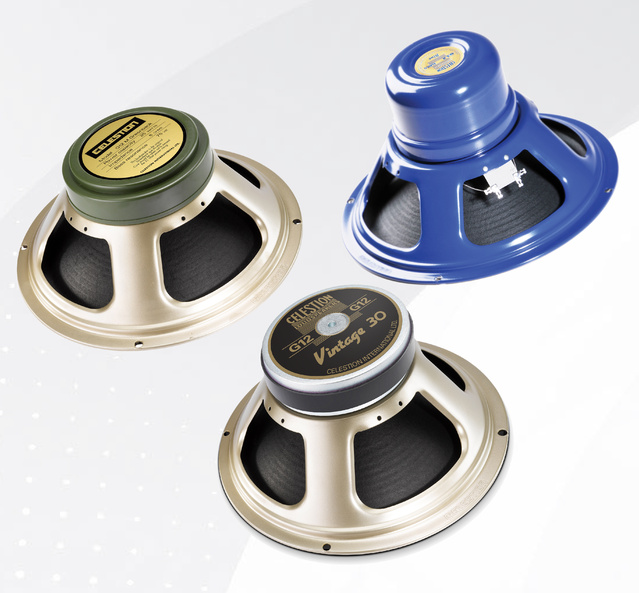
Anaheim, CA (April 12, 2023) — Celestion, the  premier manufacturer of guitar and bass loudspeakers,  will showcase their three most iconic guitar speakers — the Celestion Blue, the Greenback, and the Vintage 30 — at this year’s NAMM Show at Booth 6602. One year before their 100th birthday, the company is excited to honor the three drivers that helped launch their worldwide reputation as “the voice of rock and roll.”

The Blue

The Celestion Blue began life in the late 1950s as alternative to the G12 radiogram speakers then used by storied guitar amp maker Vox, who sought more power handling for their new AC30 combo amplifier. Legendary Celestion engineer Les Ward worked with Vox’s Derek Underdown on three key modifications. In a then-revolutionary process, the duo first strengthened the driver surround, which was the part most vulnerable to physical stress. Second, they changed the voice coil windings from aluminum to copper, which made them more tolerant to heat at high gain. Third, they strengthened the termination wires to better cope with the high-amplitude cone movement the amp could produce.

The result then was a speaker known as the T530, which was rated at 15 watts, and featured an alnico (aluminum, nickel, and cobalt) alloy magnet. The speaker was painted azure blue at the behest of Vox owner Tom Jennings and was initially badged the Vox Blue for installation in the AC30 amp, which secured its place in guitar tone history.

The Blue took a hiatus beginning in the 1970s due to the high cost of alnico, but when the alloy again became affordable, Celestion would reissue the speaker for their 70th anniversary in 1994 this time labelled as the “Celestion Blue” and to this day it is still hand-built in exactly the same way. The Blue found favour with notable guitarists like George Harrison and Brian May due to its glorious, dampened attack, warm lows, mellow upper-mids and brilliant bell-like top-end.

With 15 watts into 8 or 15ohms and 100dB sensitivity, and a frequency response from 75 to 5,000 Hz, the Celestion Blue, when coupled with a suitable amplifier, evokes rich definition and develops beautiful musical compression when pushed. Tone enthusiasts worldwide hail the Blue as the benchmark for guitar speaker perfection.

The Greenback

As a result of the increasing cost of Alnico in the mid-1960s, Celestion began to use an iron-based ceramic in most speakers. Enter the heavy magnet G12H and medium magnet G12M, designated the T1220 (8-ohm) and T1221 (16-ohm). The model name G12M referred to both, but thanks to the green plastic cover over the magnet assembly, a more affectionate moniker stuck even better: The Greenback.

The first G12M speakers were rated at 20 watts and upgraded to 25 watts approximately two years later, meaning one could install them with confidence in a 4×12″ cabinet intended for use with a 100-watt amp head. This made them the go-to for Marshall amps. Though the Greenback had already become the Marshall speaker of choice after being deployed in Marshall’s 1962 2×12″ rig, the most famous of which was Eric Clapton’s “Bluesbreaker.” Driven just on the edge of distortion, the G12M produced a warm low end; a rich, vocal-like midrange; and a detailed but delicate treble. This amp-speaker pairing also defined the sound of many of Jimi Hendrix’s early recordings, and Angus Young remains a greenback fan since the early days of AC/DC.

Though it has evolved over the years, the G12M Greenback retains its sought-after character.

The Greenback is voiced with extra broad midrange attack and restrained high end that fosters punchy chords and searing leads without fizz. Driven just on the edge of distortion, it produces a warm low end; a rich, vocal-like midrange; and a detailed but delicate treble. Rated at 25 watts (at 8 or 16 ohms) and offering 98dB of sensitivity and frequency response of 75 to 5,000 Hz, it is voiced with a broad midrange attack and high-end roll-off that fosters punchy chords and searing leads. It is as at home in single-speaker amps as in multi-driver, high-gain rock configurations.

The Vintage 30

The increasing “heaviness” of rock and metal from the 1970s to the mid-’80s demanded more power, inspiring the G12-65, G12T-75, G12K-85 and S12-150 “Sidewinder”. Thanks to the heat resistant materials used in their construction, these speakers were considered to be more “modern” sounding drivers. By the mid-’80s, however, guitarists and amp manufacturers craved the sound of the ‘good old days’. Marshall’s amp engineer Steve Grindrod requested a new speaker that had the magincal tone of the old alnico speakers of the ‘60s. with that brief in mind, Celestion engineer Ian White went on to create a speaker that combined the tone of the old speakers with the durability of the new.

White analyzed an original alnico speaker using a process called Laser Doppler Interferometry. “The laser was especially good at looking at cones,” remembers White. “We used that data to form a precise model of the vintage speaker’s characteristics.” This led White to create a new coil assembly using a modern material, more commonly used for hi-fi speakers, with mass and tonal properties similar to the paper voice coil of the vintage alnico speakers, but with a much better power handling.

The resultant speaker was the Marshall Vintage which coupled Celestion’s “H” magnet — the closest in performance to the alnico — with the new voice coil, delivering the higher power handling required (70-watt), but still with the vintage musicality of a new-old-stock speakers that might be rated much lower.

Originally targeted for use with Marshall’s Studio 15 amp, the speaker found its way into all manner of stacks and combo amps after a grace period of Marshall exclusivity, it became a Celestion standard produce and was renamed the Vintage 30 (and given a slightly lower, 60-watt power rating). Players who have embraced its tone include Peter Frampton, Slash, Steve Morse, and Steve Vai.

With a frequency response of 70 to 5,000 Hz and 100dB sensitivity, the Vintage 30’s rich bass, singing midrange, and precise treble make it Celestion’s most revealing speaker in the eyes (and ears) of many users. It is ideal for capturing the tonal complexities of which hand-wired boutique amps are capable; likewise, for serving up a lovely 3D crunch in two- or four-speaker setups. This has made the Vintage 30 one of the most popular Celestion loudspeakers, with sales to date exceeding 1.5 million units.

Legacy Meets Innovation

Celestion will exhibit these three icons and more in Booth 6602 at the 2023 NAMM show, held April 13 through 15 at the Anaheim Convention Center in Anaheim, California.

“Celestion are obviously proud of all our products,” says Nigel Wood, Managing Director at Celestion. “But the iconic Celestion Blue, Greenback, and Vintage 30 are the ones most often used as the benchmark for Celestion tone and for guitar tone in general. This is why we wanted to focus this year’s NAMM exhibit on giving them the place in history they deserve.”

About Celestion and Celestion Guitar Speakers

An important element to essential British guitar tone since the birth of Rock & Roll, Celestion Guitar Speakers are famous for their lively and vocal midrange character with plenty of sparkle and chime. With worldwide headquarters in Ipswich, England, Celestion design, develop and manufacture premium guitar and bass loudspeakers, and high-quality professional audio drivers for sound reinforcement. These world-renowned speakers are used onstage and in clubs, theatres, and other venues the world over. Since 2017, Celestion Digital has offered the tones of the company’s legendary guitar and bass speakers as downloadable impulse responses that work with most modern guitar effects processors and amp-top load boxes. Contact Celestion at info@celestion.com and visit us on Facebook at www.facebook.com/celestion.

www.celestion.com


Celestion and Two notes Partner to Debut the Hempback Dynamic IR (DynIR) Virtual Cabinet Collection

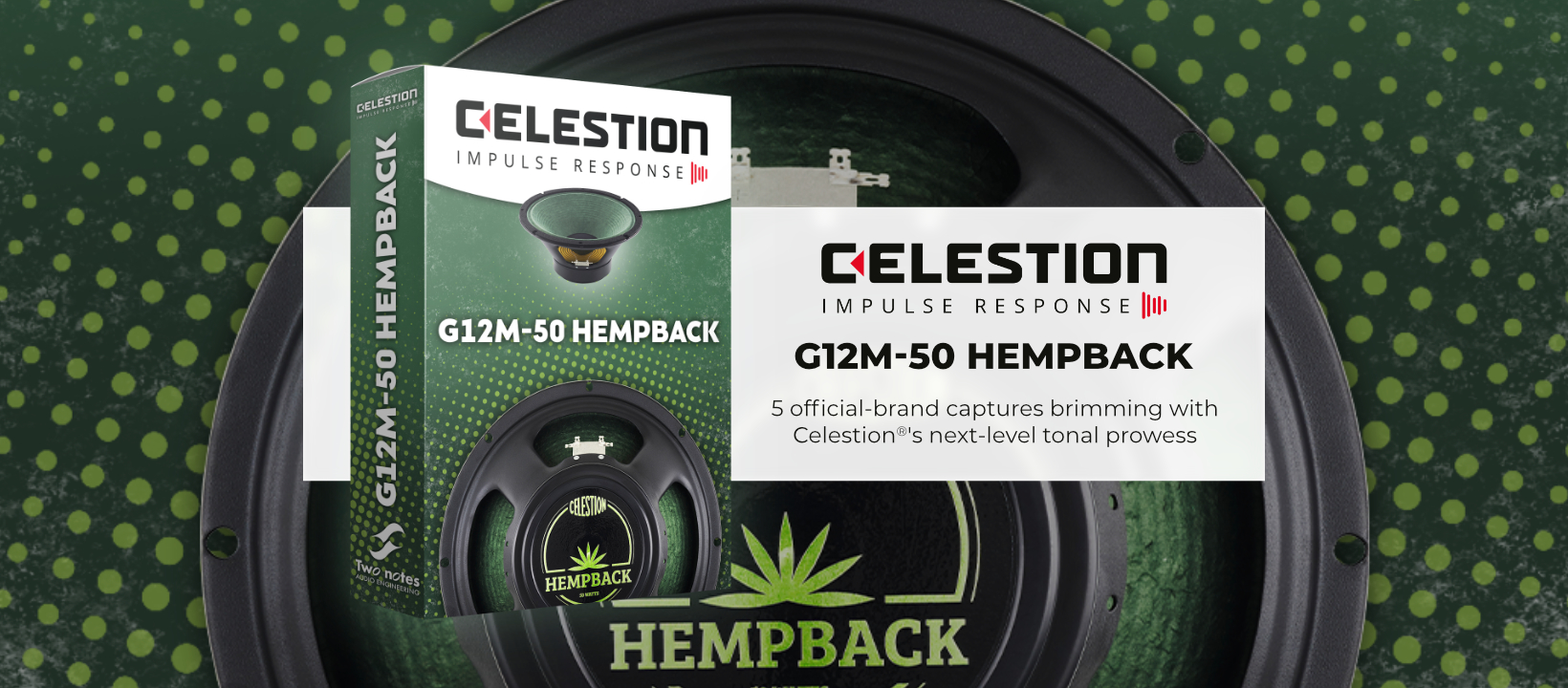
Ipswich, UK (March 13, 2023) —Celestion, the world’s premier designer and manufacturer of guitar loudspeakers, well-known as the “Voice of Rock & Roll” behind many of the world’s most memorable guitar performances, is pleased to announce a partnership with Two notes and the introduction of their new DynIR (Dynamic IR) virtual cabinet collection together, the Celestion G12M-50 Hempback DynIR collection. 

The Hempback heralds a new-era in Celestion’s pursuit of next-generation guitar sonics. Fusing deft levels of definition, a superbly balanced low-end, oodles of mid-range presence and buttery smooth highs, the 50-Watt G12M Hempback exists in a class of its own. Distinctive and well-defined, the Hempback delivers a balanced low end, plenty of mid-band character together with smooth, silky highs. Especially suited for use in American voiced amps, for example combos such as a Deluxe Reverb® or Blues Jr.®, delivering true American-flavored tone along with cleans that are second to none. The Hempback offers a nefarious blend of tonal distinction and a hyper-articulate response that’s exquisitely tuned for clean and saturated tones alike.

The DynIR cabinets are only compatible with Two notes Torpedo hardware and software. The Celestion Hempback Two Notes DynIR collection includes five cabinet configurations: 1×12 (both open and closed back), 2×12 (both open and closed back) and 4×12 (closed back,) available individually or as a full set.

For a limited time through the end of March, Two notes is offering a special 30% discount on the Celestion collection of DynIRs and DynIR Cabinets.

About Two notes

Two notes Audio Engineering is the brainchild of Dr. Guillaume Pille, a passionate musician who graduated from Montpellier University in 2005. During Guillaume’s time at University (where he spent his rare spare time recording, gigging and engineering bands) he had become frustrated with having a great tube amp, an ENGL, but not being able to use it to its full potential – and that is before he started to think about recording guitar tones or engineering other bands. Guillaume understood that this was a common problem faced by many players, producers and engineers – they just wanted to open their amp up but don’t have the opportunity to do so. Guillaume’s passion for music and tone drove him to develop the product he needed to ‘open his amp up’ fully. At that time, there wasn’t a product available to allow him to do that (and have it sound awesome – especially when recording at home) so he started to design one. His thought process was clear – he needed the ability to record amps sounding full and powerful and feel all the response that comes with them ‘running hot’. Ultimately, Guillaume needed the ability to play (and record) with complete control of sound levels.

About Celestion Digital

The introduction of authentic Celestion Impulse Responses represented the company’s forward step in making their celebrated speaker tones available as digital downloads. Celestion IRs capture the essential behavior of a speaker in a particular cabinet in the specific space in which it was recorded, including the frequency and phase response of single drivers as well as the interaction of multiple speakers. They offer significant benefits in both recording and live production, enabling the desired tone to be precisely and consistently reproduced regardless of the recording or live sound environment. Explore, audition and download the extensive collection of Celestion guitar and bass Impulse Responses at celestionplus.com. The introduction of Celestion SpeakerMix Pro sees the company delivering a truly forward-thinking studio software solution that enables users to get every ounce of tone from Impulse Response technology. The companion Dynamic Speaker Responses launched alongside the plug-in exemplify the next generation in speaker response emulation, representing a true advancement in the technology of digital speaker tone.
Celestion Plus.

About Celestion and Celestion Guitar Speakers

An important element to essential British guitar tone since the birth of Rock & Roll, Celestion Guitar Speakers are famous for their lively and vocal midrange character with plenty of sparkle and chime. With worldwide headquarters in Ipswich, England, Celestion design, develop and manufacture premium guitar and bass loudspeakers, and high-quality professional audio drivers for sound reinforcement. These world-renowned speakers are used onstage and in clubs, theatres and other venues the world over. Contact Celestion at: info@celestion.com and visit us on Facebook at www.facebook.com/celestion.
www.celestion.com

Guns N’ Roses Guitarist Richard Fortus Reflects on His Storied Career and Celestion Speakers


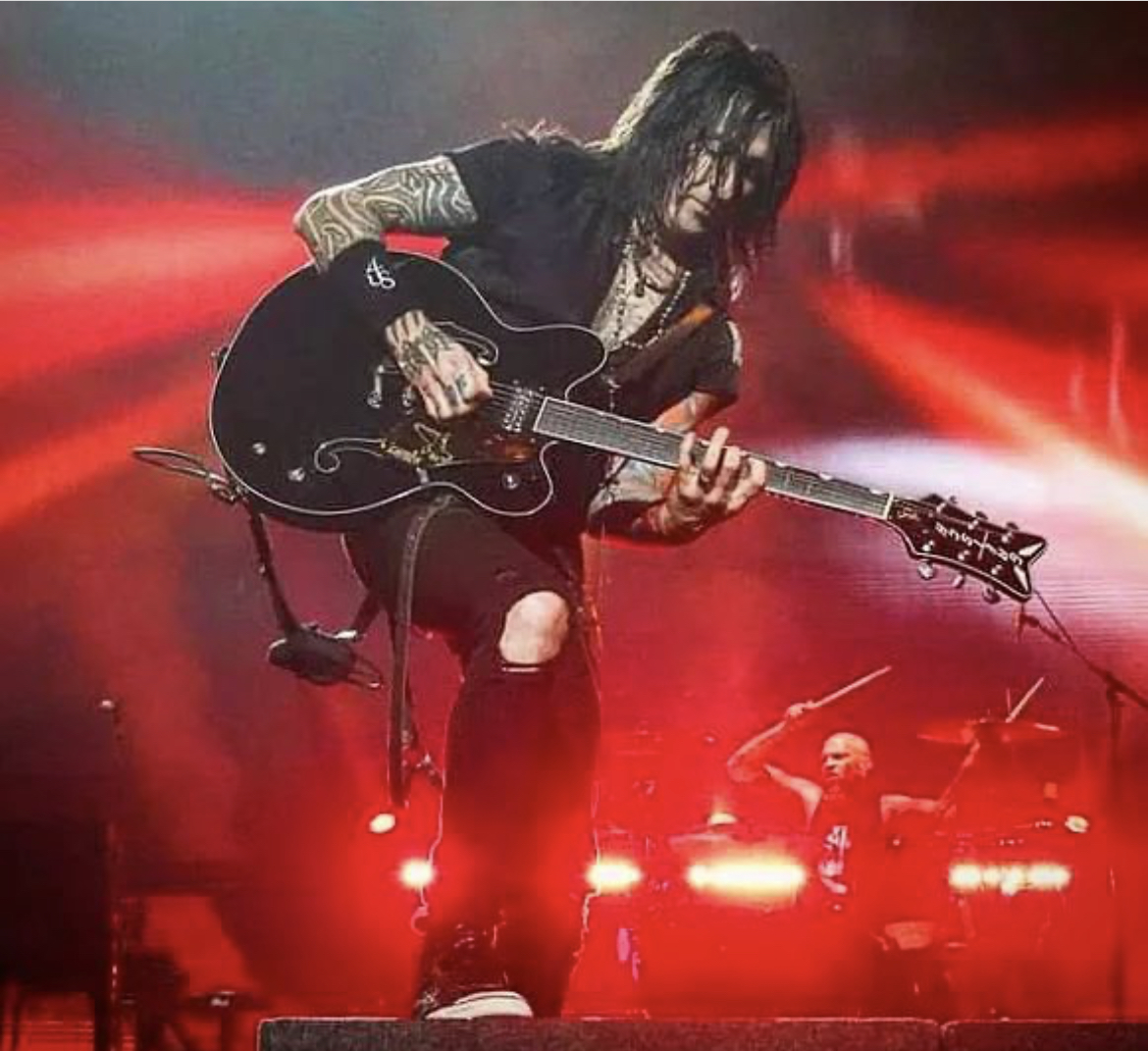
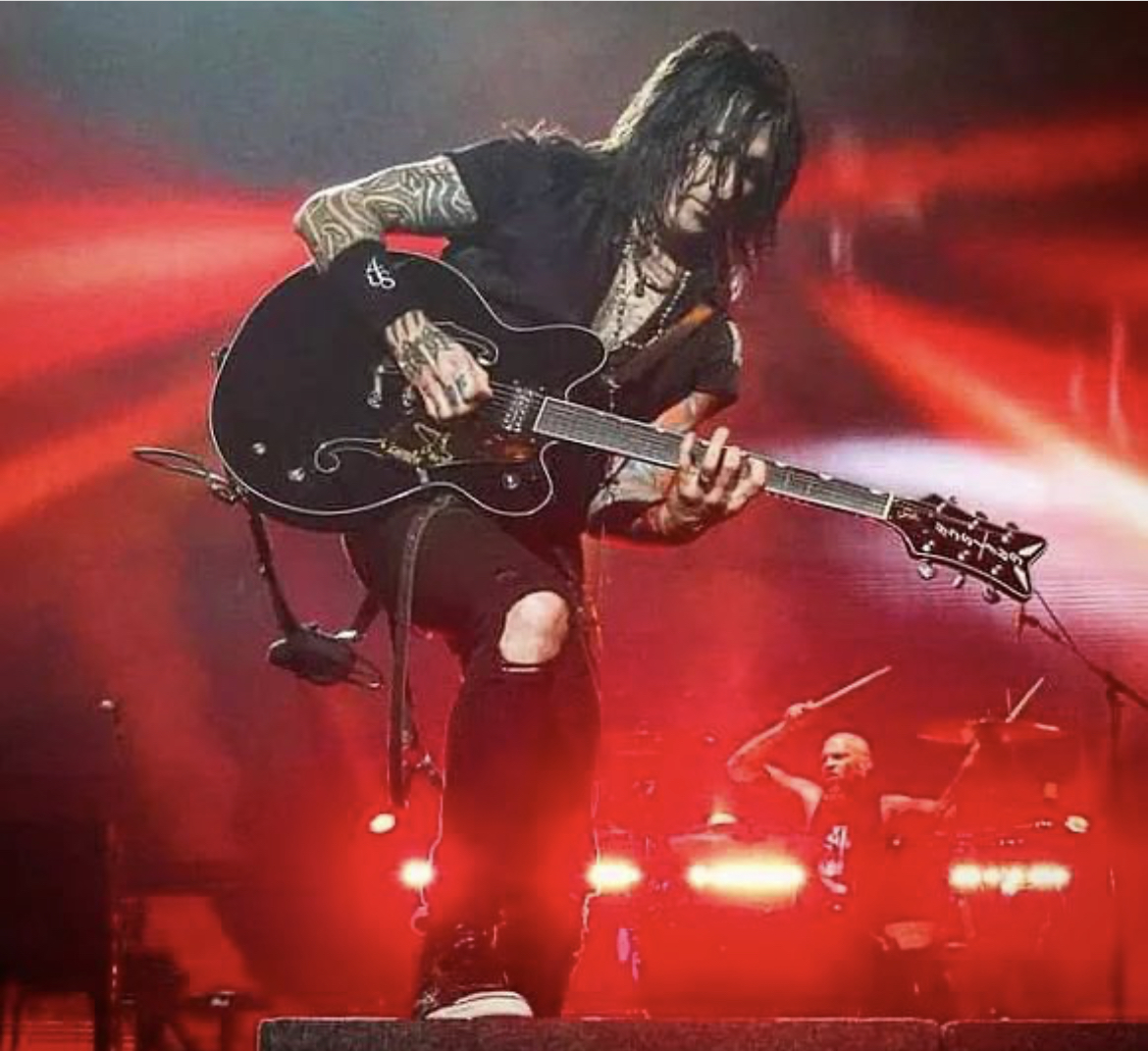
St. Louis, MO (February 6, 2023) — Asking the question “What type of guitar player is Richard Fortus?” is potentially dangerous, because trying to answer it just might cause one’s word processor to run out of hyphens. Fortus is currently playing the dream gig of standing onstage next to Axl and Slash in Guns N’ Roses, whom he joined in 2001. He has recorded, toured, or done both with marquee artists across literally every style of modern music, including Rihanna, Enrique Iglesias, Thin Lizzy, Fiona Apple, BT, and Crystal Method. He’s been a full-on band member of The Psychedelic Furs and more recently supergroup The Dead Daisies. His film score contributions include Monster and The Fast and the Furious franchise. He joined Celestion for a far-ranging conversation about his genre-defying career, influences, musical values, gear, and how Celestion speakers — especially the Alnico Cream, G12H family, and Gold — have been his musical partner during his entire journey.

Even before his teens, Fortus’ musical tastes were eclectic. “As young as 11 or 12, I was obsessed with players like Robert Fripp, Jeff Beck, Steve Howe, early Santana, and Peter Frampton,” he recalls. “My first band, The Eyes, would play our childlike versions of songs by bands like Return To Forever, Mahavishnu Orchestra, and the Dregs. Then when I turned 14 or 15, I heard The Clash and everything changed after that. It all became less ‘muso’ and more about songwriting and energy. We started covering bands like The Police, U2, The Damned, and The Psychedelic Furs.”

That makes it poetic that he would find himself in the Furs and co-writing songs with lead singer Richard Butler for what would become the project “Love Spit Love.” Though Guns N’ Roses’ needs from a guitarist could not be more different, that could describe any two projects on which Fortus has ever played. “Producers who hire me often say, ‘I just want you to do your thing,’” he explains. “So, I think carefully about what they think ‘my thing’ is, then try to deliver it. But really, it’s simply that I just love all types of music. I think I don’t get typecast because I pull from such a broad palette and genuinely love it all.”

Whatever the genre, Celestion speakers are a cornerstone of the sound Fortus delivers. “In my live rig with Guns N’ Roses I have two amps that the front-of-house engineer mixes,” he says. “One is a little Magnatone Twilighter with an Alnico Cream. The other is a 100-watt Voodoo whose cabinet has two G12H and two Golds arranged diagonally from each other. The G12H gives me more of the tight low end I want to hear. The Gold provides more of the shimmer on top. The Cream just has the most magical midrange right out of the box.”

Such results set Fortus on a path of Celestion-izing many of his prized vintage amps. “I also have a low-powered Fender Tweed Twin,” he notes. “I put a pair of Alnico Creams in it temporarily while I had its stock speakers re-coned. I never put the stock ones back in. Those Creams turned a good amp into a great amp.

“I feel like Celestion is part of my voice,” says Fortus at the end of the interview. “I have a real affinity for British amps, so much that I had 240-volt power installed in my studio so I can run them as they were meant to be run. Beyond the tubes and transformers, the biggest part of that sound is Celestion.”

Read our full-length interview with Richard Fortus on the Celestion blog here, and learn more about Celestion’s guitar loudspeakers here.

About Celestion and Celestion Guitar Speakers

An important element to essential British guitar tone since the birth of Rock & Roll, Celestion Guitar Speakers are famous for their lively and vocal midrange character with plenty of sparkle and chime. With worldwide headquarters in Ipswich, England, Celestion design, develop and manufacture premium guitar and bass loudspeakers, and high-quality professional audio drivers for sound reinforcement. These world-renowned speakers are used onstage and in clubs, theatres, and other venues the world over. Since 2017, Celestion Digital has offered the tones of the company’s legendary guitar and bass speakers as downloadable impulse responses that work with most modern guitar effects processors and amp-top load boxes. Contact Celestion at: info@celestion.com and visit us on Facebook at www.facebook.com/celestion.

www.celestion.com

Guns N’ Roses Guitarist Richard Fortus Reflects on His Storied Career and Celestion Speakers

Asking the question “What type of guitar player is Richard Fortus?” is potentially dangerous, because trying to answer it just might cause one’s word processor to run out of hyphens. Fortus is currently playing the dream gig of standing onstage next to Axl and Slash in Guns N’ Roses, whom he joined in 2001. He has recorded, toured, or done both with marquee artists across literally every style of modern music, including Rihanna, Enrique Iglesias, Thin Lizzy, Fiona Apple, BT, and Crystal Method. He’s been a full-on band member of The Psychedelic Furs and more recently supergroup The Dead Daisies. His film score contributions include Monster and The Fast and the Furious franchise. Luckily for us, he’s as affable and up for a conversation about music as he is impossible to pigeonhole, and Celestion guitar speakers have been by his side during his entire journey.

Your bio says you were classically trained as a child?

Yeah, I started on the Suzuki Method on violin when I was about four. A bit later I played drums to satisfy my rock ’n’ roll itch but continued playing violin throughout school.

Was your family musical?

My mother sang and played piano. My father was not musical at all. He was an accountant. But he was a partner in a company called St. Louis Music. They made Alvarez and Electra guitars and Crate amps. So, I grew up in that world and was exposed to a lot of music and musicians as a kid.

What was your favorite music growing up?

When I was little, like eight, like every other kid at that time I was into KISS. Then there was Aerosmith, Queen … those were the biggest bands in the world at that time. As I got a little older, 11 or 12, I started listening to a lot of the more art-rock stuff like early Genesis. I was really into Yes, King Crimson, Jethro Tull, bands like that. Of course, David Bowie. Later still, I got more into the jazz-fusion stuff that started going on. Jeff Beck’s “Wired” and “Blow by Blow” period was huge. That led me to things like Mahavishnu Orchestra, Chick Corea with Return To Forever, and the Dregs. So that’s where I was when I started playing guitar — obsessed with players like Robert Fripp, Jeff Beck, Steve Howe, early Santana, and Peter Frampton.

Did you aim at those styles of music in your first teenage band?

That band was The Eyes and I think we got it together around 1982. When we first started, the bass player and drummer and I would play our childlike versions of all the fusion stuff I was just talking about. Then, as I turned 14 or 15, I heard The Clash and everything changed after that. It all became less “muso” and more about songwriting and energy. We started playing with a singer and writing songs. Our covers included The Police, U2, Psychedelic Furs, The Damned ….

That must have been a good omen, as you wound up in the actual Psychedelic Furs later on!

That’s an interesting story. My first band [Pale Divine] got signed to Atlantic Records. We ended up touring with the Furs, which is something I worked hard to orchestrate. I wrote letters to [guitar player] John Ashton, telling them about how we just got signed, how much of a Furs fan I was. We signed with their same agency and wound up getting the opening spot on the World Outside tour in North America.

Eventually I would go onstage with them to play violin and guitar. After the tour ended, [Furs lead singer] Richard Butler asked me if I would come up to New York to help him write a solo album. I would go there during the week and write with Richard, then come back to St. Louis to do shows with Pale Divine on weekends, as our bread-and-butter fanbase was in the Midwest.

Eventually I moved to New York full time. Richard Butler’s album became the band Love Spit Love. He felt it was so much of a collaboration that it was unfair to call it a solo album.

Being in New York City must have also provided some opportunities for session work.

Oh, yeah. Being in the Furs it gave me entrée to artists and producers. I was fortunate to get consistent studio work almost immediately.

If we wanted to name three artists who have completely different needs from a guitar player, we couldn’t do better than the Furs, Guns N’ Roses, and the electronic composer BT, with whom you’ve also worked.

And Rihanna! [Laughs.] I’ve done country sessions, blues and funk albums, and I’ve played on a ton of hip-hop albums. All the Puff Daddy stuff? Anything guitar was usually me.

In an industry that likes to pigeonhole people, how do you shift musical gears so easily and avoid getting typecast as this or that genre of a guitarist?

When I would get called to do sessions, the producer who hired me would usually say, “I just want you to do your thing!” So, I’d have to think about where that producer got my name and what they think “my thing” is, then try to deliver it. But really, it’s simply that I just love all types of music. I think I don’t get typecast because I pull from such a broad palette and genuinely love it all. I feel very fortunate in that regard.

How did you get the gig with Guns N’ Roses?

I got called to audition. I was scheduled to be in L.A. anyway working on an album. So that lined up, they sent me some music, we went back and forth, but then as I was departing for L.A., I couldn’t reach them. I get to the album session, and Tommy Stinson and Josh Freese, who were in Guns N’ Roses at the time, were on it, too! They said, “Oh, you’re the guy from New York!”

What had happened was, Axl Rose had found the guitarist Buckethead and called off all auditions. Nonetheless, Tommy and I became very good friends. Cut to a couple of years later. I was on tour in Europe with Enrique Iglesias. Tommy called me and said, “Would you audition for Guns? We need somebody.” I had a break of two days in my schedule. After three shows at Royal Albert Hall, I flew straight to L.A., auditioned, listened to new material with Axl in his car all night, flew back to Ireland, and finished the Enrique tour. Right after, I started rehearsals with Guns.

As a guitarist, what is it like working with Slash?

Slash and Duff and I all come from similar musical backgrounds and have a lot of the same influences. We get along very well, and the funny thing is, I wasn’t that into Guns N’ Roses as a kid because I lumped them in with all the other ’80s hair metal. I supposed I realized they were more legit than bands like Poison, but they weren’t on my radar then. Once I got into the band, I realized how much we have in common.

How did Celestion speakers first come into your world?

Inside a Marshall cabinet, of course! I was a Marshall fanatic as a kid. I have since grown to love Celestion for other reasons. Some of my favorite speakers they make now are the Alnico Creambacks. In my live rig with Guns, I have a Magnatone Twilighter, which is a combo amp with a single 12-inch driver. I swapped out its stock speaker for a Creamback. Then there’s a 100-watt Voodoo amp. The cabinet I use with it has four Celestion speakers: two G12H on one diagonal and two Gold on the other.

How do these models differ in terms of your applications or what you like about them?

The G12H gives me more of the tight low end I want to hear. The Gold provides more of the shimmer on top. That’s why I have both in one cabinet. Then in the little Magnatone, the Alnico Cream just has the most magical midrange right out of the box. You don’t have to break those speakers in. The front-of-house engineer blends those two amps.

I also have a low-powered Fender Tweed Twin. I put a pair of Alnico Creams in that amp temporarily while I had its stock speakers re-coned. I never put the stock ones back in. Those Creams turned a good amp into a great amp. That got me on this whole kick of trying Celestions in vintage Fender amps. I wish Celestion would make a 10-inch version of the Cream!

Is that because a smaller driver responds more quickly?

Partly, yeah. But I have a 1962 Fender Vibroverb that uses two 10-inch speakers. That amp through Creambacks would be incredible. So, I wrote you guys a letter. Please make it! Ten-inchers are a different world in terms of sound and feel. In combination with 12s, you get the best of both worlds. I have a vintage Marshall 8×10 cab that I use together with a 4×12, and it just sounds spectacular.

What else is in your studio?

I have a ridiculous amp collection. I just recently rewired my studio so that I can patch any of 16 amp heads in the control room to any two cabinets at once in the live room, using a custom switching system. I have three different vintage 4×12 cabs. I have an Orange 4×12, a couple of Marshall basket-weave cabs, a checkerboard, that 8×10 Marshall I told you about. I have a 2×12 with Alnico Blues installed. I have a Mesa-Boogie cab that can be closed- or open-back. They’re all permanently miked up. I also use a Universal Audio OX, which is a load box that can run impulse responses for cabinet simulations. I’ll use it in conjunction with an actual miked cabinet.

What are your go-to microphones for guitar cabinets?

I really like the Royer 122V tube ribbon mic. I love the old RCA BK5, which was originally developed for miking gunshots in movies. So, it handles high SPL and transients, which makes it exceptional for capturing tone you can only get by cranking a guitar amp really high. Have you heard of Stager mics out of Nashville? They’re outstanding. I have four different ones.

What advice would you give to a kid who wants to have a career like yours? Let’s suppose they have the talent. 

Don’t go into the music business at all! [Laughs.] I was lucky enough to catch the tail end of session work when there were actual recording budgets. During most of my early career, most of the revenue came from record sales and touring was done to support the record. Now, it’s flipped. If you manage to make any money at all it’s going to be from live shows and merchandise, and your record is one more piece of promo to support that. So, if anything I’d say gravitate towards touring work.

I have two daughters and my 15-year-old is in a band. They write songs, record, and do gigs. My wife and I stress to her all the time that music is an amazing creative outlet whether you make money at it or not. But I also recognize that some people don’t do this as a choice. They do it because have no other choice. It’s who they are. It’s certainly who I was, staying up half the night as a teenager, listening, analyzing, transcribing, and copping riffs. If you’re in that boat, learn software like Pro Tools. Be a recording engineer on top of playing an instrument or singing. Put out as much music as you can.

Last but not least, how would you describe your relationship with Celestion as a provider of your equipment and musical partner?

I feel like Celestion is part of my voice. I have a real affinity for British amps, so much that I had 240-volt power installed in my studio so I can run them as they were meant to be run. Beyond the tubes and transformers, the biggest part of that sound is Celestion.

##