Celestion Introduces the G12H-150 REDBACK Guitar Speaker

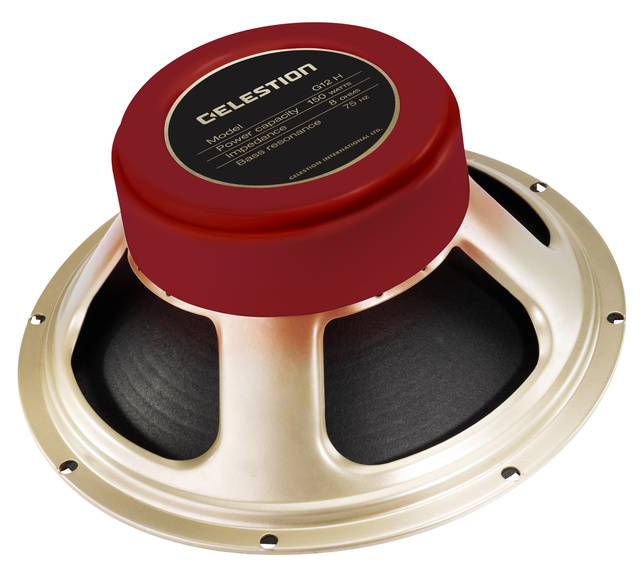
Ipswich, UK (January 17, 2017) — At this year’s winter NAMM Show, Celestion, the premier manufacturer of guitar and bass loudspeakers and professional audio drivers for sound reinforcement applications, is pleased to introduce the new G12H-150 Redback, created especially for players who are looking for extreme power handling but refuse to compromise on great tone.

Constructed in the U.K., with a supersized 2-inch voice coil and featuring the heaviest G12 magnet, the Redback delivers a gargantuan 150-watts of power handling>The result is a guitar speaker that sounds 100% Celestion in character, yet is primed to withstand a pummeling from a 100-watt head all by itself, and still come back for more.

Celestion’s engineering expertise has assured that there is no need to choose between power and tone with the new Redback, with its tight, well-controlled low end, detailed midrange and more relaxed treble. The Redback is truly high power guitar speaker that can still deliver balance, responsiveness and superb playability, with muscular ease.

Loaded into low power combos, players can expect tons of smooth, clean tone and don’t need to be afraid to plug in their favourite stomp box. For those interested in downsizing to a 1×12 cabinet, they need only hook up a single Redback to their 100-watt head in order to generate giant slabs of frightening, monstrous tone. 

About Celestion and Celestion Guitar Speakers

An important element to essential British guitar tone since the birth of Rock & Roll, Celestion Guitar Speakers are famous for their lively and vocal midrange character with plenty of sparkle and chime. With worldwide headquarters in Ipswich, England, Celestion design, develop and manufacture premium guitar and bass loudspeakers, and high-quality professional audio drivers for sound reinforcement. These world-renowned speakers are used onstage and in clubs, theatres and other venues the world over. Contact Celestion at: info@celestion.com and visit us on Facebook at www.facebook.com/celestion.
www.celestion.com

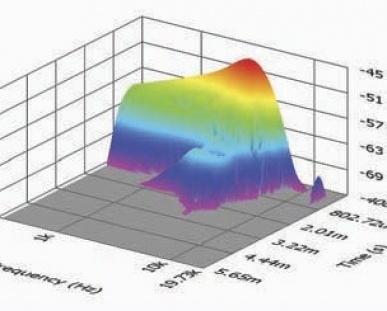
Heritage Series G12H (55Hz) on the test bench

Thanks to Vance Dickason at Voice Coil for this excellent in-depth analysis and review of the Heritage G12H(55Hz). It’s certainly very interesting to see how a guitar speaker performs under the rigorous test conditions usually reserved for Pro Audio speakers.

Would you use these speakers for precision audio? I think the answer is No! They’re much better for Rock!

Listen to the Heritage Series G12H (55Hz) here.

Find out Where to Buy here.

INTRODUCING THE CELESTION G12M-65 CREAMBACK, HIGH POWER VINTAGE GUITAR SPEAKER

The G12M-65 Creamback has the look and sound of a vintage G12M as well as

delivering a big enough power handling capability for today’s modern amplifiers.

The G12M, also known as the Greenback, is perhaps the definitive vintage Celestion ceramic magnet guitar speaker. Developed in the mid-sixties, it was quickly adopted by players like Hendrix, Clapton, Beck and Page, who typified the louder and more aggressive blues rock playing styles that came to characterize that era.

The new G12M-65 Creamback produces that familiar, woody G12M tone, but handles greater power making it ideally suited for today’s amps, when a vintage tone is desired. The increased power handling brings with it low end grunt that

complements the warm and vocal mid range, crunchy upper mids and sweet, refined highs.

Delivering Guitar Wisdom: Tomo Fujita on the Art of Articulation and the Essential Balance of Celestion Loudspeakers

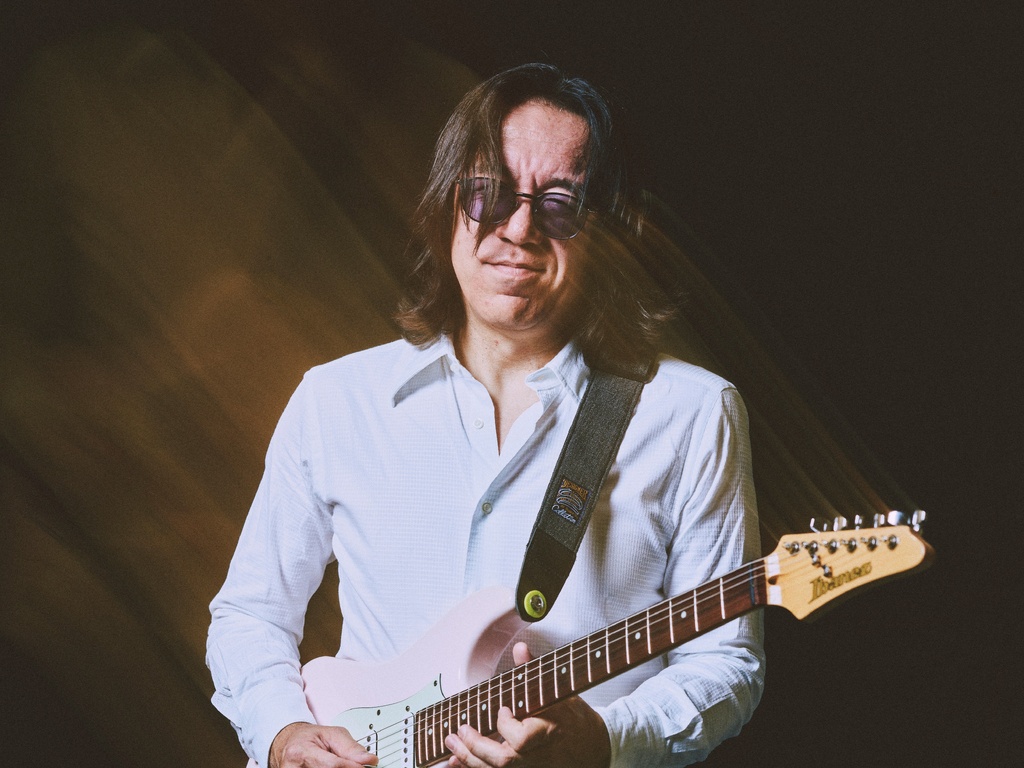
Boston, MA, USA (March 11, 2026)— For over 30 years, Tomo Fujita has been a revered figure in the global guitar community, balancing a prestigious professorship at Berklee College of Music with an illustrious performance career sharing the stage with legends like Phil Collins, Steve Gadd, and Bernard Purdie. Known worldwide for his online platform Guitar Wisdom and for mentoring icons like John Mayer, Fujita’s approach to the instrument is rooted in groove, nuance, and a pristine clean tone. At the heart of his expressive, vocal-like phrasing is a deep reliance on Celestion guitar speakers including the Vintage 30, G12-65 Creamback, and the Celestion 100.

Fujita treats his guitar as a vocalist, making the loudspeaker a critical component of his signal chain. “If you consider the amplifier’s power to be the lungs, then the tone is truly the throat,” Fujita explains. “Everything ultimately comes out of the speaker, and a good speaker, like Celestion, brings out the best characteristics of a guitar.”

His relationship with the Celestion brand began shortly after he moved to the US in 1986 with just one suitcase, one guitar, and a desire to communicate deeply through music. After placing third in the Boston Best Guitarist Competition, he won a Marshall JCM900 amplifier, two cabinets, and a 100-watt Celestion speaker. He immediately swapped the Celestion speaker into his Fender Champ 12 practice amp. “Right away, with Celestion, I noticed a better balance from the low to high frequencies, and I could hear every detail,” he recalls. “That was the moment I first became interested in the profound impact of speakers.”

Fujita advocates for a pure tone, eschewing massive pedalboards in favour of finger dynamics. He famously teaches students to practice with their amplifier’s treble turned all the way up and the bass rolled off to master their picking touch through discomfort. Because he plays clean, the speaker itself becomes a vital, organic compressor that reveals the truth of the player’s hands. “A good amplifier with Celestion speakers definitely possesses built-in, natural compression,” he notes. “When you push them, they vibrate organically. A truly great speaker reveals the nuances of a player’s tone exceptionally well.”

Today, Fujita’s primary rig features his signature Two-Rock amplifier loaded with a Celestion Vintage 30, a driver that has thoroughly impressed him. “I initially thought the Vintage 30 was strictly a rock speaker, but the balance is incredibly good,” he marvels. “It simply has everything you need right there.” Alongside the Vintage 30, his curated collection includes a vintage G12-65 which he relies on for his signature funk sound, the Alnico Celestion 100, and the G12M-65 Creamback.

Ultimately, Fujita’s quest for tone mirrors his teaching philosophy: keep it simple and let your hands do the talking. To him, Celestion provides the ultimate, balanced canvas for that expression.

To read the full-length interview with Tomo Fujita, visit the Celestion Speaker World blog. For lessons and to learn more about his philosophies on guitar playing, visit his Guitar Wisdom online platform.

About Celestion

With worldwide headquarters in Ipswich, England, Celestion design, develop and manufacture high-quality professional audio loudspeakers and compression drivers for sound reinforcement, as well as premium guitar and bass guitar loudspeakers. These world-renowned speakers are used onstage and in clubs, theatres and other venues the world over. With more than 100 years of success, the company continues to offer the latest technologies and innovations in the world of loudspeakers. celestion.com

Delivering Guitar Wisdom: Tomo Fujita on the Art of Articulation and the Essential Balance of Celestion Loudspeakers

For over 30 years, Tomo Fujita has been a revered figure in the global guitar community, balancing a prestigious professorship at Berklee College of Music with an illustrious performance career sharing the stage with legends like Phil Collins, Steve Gadd, and Bernard Purdie. Known worldwide for his online platform Guitar Wisdom and for mentoring icons like John Mayer, Fujita’s approach to the instrument is rooted in groove, nuance, and a pristine clean tone. At the heart of his expressive, vocal-like phrasing is a deep reliance on Celestion guitar speakers including the Vintage 30, G12-65 Creamback, and the Celestion 100.

You moved to the US in 1986 with just one suitcase and one guitar. Did that limitation force you to communicate more deeply through your instrument?

 Yes. I didn’t have many possessions to bring here, but I had a lot of dreams and imagination. Back then, my English skills were limited, so verbal communication was difficult. But through music, we understood each other. I couldn’t talk well, so I really worked on my playing. That is how I communicated and made friends. Sometimes we couldn’t understand each other’s words, but once we played together, we understood everything because the meaning was in the music.

 When did you first discover the impact that a speaker has on your tone?

It started with the Boston Best Guitarist Competition when I was a student. I came in third and won a full Marshall JCM900, two cabinets, and a 100-watt Celestion speaker.

I thought “What should I do with this speaker?” Around that time, I had purchased a Fender Champ 12 practice amp with a standard 12-inch speaker. I decided to swap one of the Celestion speakers from the Marshall into the Champ. Until that moment, I had no idea about the difference speakers made. But right away, with Celestion, I noticed a better balance from the low to high frequencies, and I could hear every detail. That was the moment I first became interested in the profound impact of speakers.

You often say you treat your guitar as a “vocalist.” If the guitar is the singer, what role does the speaker play?

If you consider the amplifier’s power to be the lungs, then the tone is truly the throat. Everything ultimately comes out of the speaker, and a good speaker, like Celestion, brings out the best characteristics of a guitar.

Many players rely on pedals for their sound, but you advocate for a pure tone. Do you find a clean tone requires a higher quality speaker since there is no distortion to hide behind?

I believe so. A clean tone reveals everything—the player’s noise, the picking sound, every detail. So, the speaker must pronounce every detail of the player. When you push them, they vibrate organically. A truly great speaker reveals the nuances of a player’s tone exceptionally well. If you push it too much with pedals, the tone gets thin. But a great speaker provides that natural compression without sounding digital.

Your teaching style emphasizes dynamics. How do you use the speaker to help students learn that control?

When I practice tone, or when I teach, I use a setting that makes many people uncomfortable. We turn the treble all the way up and the bass all the way down. Then, we turn the guitar volume down to about 8.

This setting reveals every mistake and any bad habits. If you pick too hard, it sounds awful. It forces you to play softer and control your touch. It makes your hands sensitive. Once you master that dry, difficult tone, everything else becomes easy. I taught John Mayer this method—treble up, bass zero—and he understood how important it was to practice with a dry tone to develop his touch. Now, everyone loves his tone.

What is your current rig and which Celestion drivers are you using?

Right now, I am using my signature Two-Rock amplifier. It is a simple setup with a 1×12 cabinet loaded with a Celestion Vintage 30. I initially thought the Vintage 30 was strictly a rock speaker, but the balance is incredibly good. It simply has everything you need right there.

I also have a G12-65 for that vintage funk sound, which is really great and clean. I also recently got the Celestion 100 Alnico, which is a fantastic speaker. I am also using a G12M-65 Creamback in a Blues Junior, which sounds great. But honestly, the Vintage 30 has surprised me the most with how well it sits in the mix.

 You have mentioned that if a guitar is perfectly set up but played through a bad speaker, the effort is wasted. Can you elaborate?

 Everybody gets into the guitar and the amplifier, but a lot of people don’t know how to choose speakers. Everything ultimately comes out of the speaker… it is one of the most important parts of your guitar tone. That is why when you change an old, tired speaker to a Celestion, you suddenly get crispness, more mids, and punch. It brings out the great parts of the guitar. If the speaker is muddy, you end up picking too hard to compensate, and you lose your technique.

 When you look at the next generation of guitarists, is there a “tone secret” you hope they take away from your teachings?

I hope the next generation learns to use a simple amp—just volume and tone. Nowadays, people are “too rich” with options; there are so many presets and effects before the signal even hits the amp that everyone starts to sound the same.

Presets are a great place to start, everybody needs to start somewhere, but if you only rely on presets, you don’t know why it sounds good. It is like drinking a juice without knowing what ingredients are in it. I want young people to understand good choices. Get a simple amp and a good speaker. That combination allows your personality to come through so you are recognizable.

 Where can people go to learn more about your teaching philosophy?

I have been teaching at Berklee for 33 years, but I also have my own website, Guitar Wisdom, which helps people all around the world. I also have published books. My mission is to make sure everyone understands how to make good musical choices, beyond just the easy stuff.

From Tours to TV Tones: Celestion Empowers the Decades-Long Musical Journey of Devin Powers

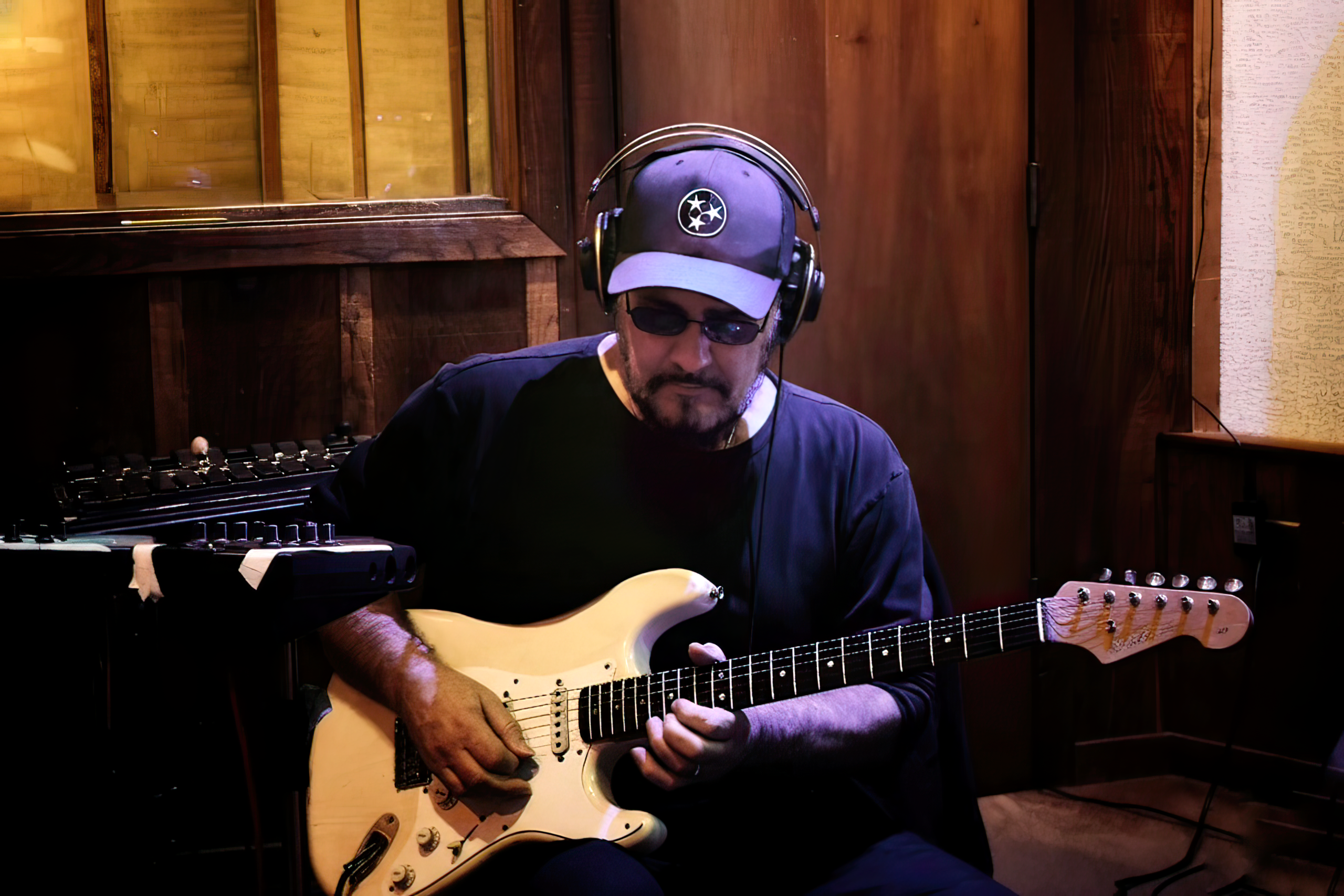
Nashville, TN, USA (February 18, 2026) — Devin Powers, a musical force for over 45 years, has navigated a career path few could claim—from headlining gigs in the San Francisco Bay Area and collaborating with rock legends like John Entwistle to becoming one of the most decorated composers in history. With credits including the hit TV series Blind Date, the Bachelor franchise, and You Vs Wild (for which he received an Emmy) and song placements in films including Wakanda Forever and Wicked, the foundation of his signature sound has remained constant: Celestion loudspeakers, most notably the Alnico Blue, Alnico Gold, and the G12 EVH.

Powers’ journey began in Redwood City, California, learning on a hollow-body acoustic brought back from World War II. By his mid-teens, he had mentors like Neal Schon and was jamming with local legends like Tower of Power before his high school band, The Kids, found themselves opening for Journey and headlining a sold-out tour of Japan. Returning home in 1983, Powers made a choice: “I knew I was a lifer.”

That commitment was tested in 1986 when a heavily accented voice on the phone said, “It’s John from The Who.” Powers was whisked away to John Entwistle’s 140-acre Gloucestershire estate to write and co-produce for Entwistle’s band, THE ROCK. It was a surreal pinnacle, but when the record was shelved following a Who reunion, life threw a curveball that led Powers to Hollywood.

Hired by Who fans to be the “rock guy” for a new show called Blind Date, Powers brought his Celestion-loaded Marshall stacks into the world of television. He didn’t just underscore scenes; he changed the industry’s sound, eventually composing 1,500 episodes and winning multiple ASCAP awards for “Most Performed Television Underscore.” Following a fateful red-carpet encounter with Hans Zimmer, Powers scaled his approach, founding Powers Music Group to score global hits like Naked & Afraid, The Bachelor, and The Amazing Race.

When crafting guitar tones for these recordings, Powers relies heavily on Celestion. “I have a large collection of Celestion speakers loaded into cabinets in my studio,” said Powers. “I use a 4×12 cabinet loaded with Alnico Blues at the bottom and Reds at the top, along with cabinets featuring Creams and Golds. If I am looking for a jangly, compressed sound, similar to Tom Petty, I often use the Alnico Gold in my Silent Sister isolation cabinet. For more of a Jimi Hendrix-type bite, I might use 30-watt drivers. My two favorite Celestion drivers are the Alnico Blue and the 20-watt Greenback (which is now called the G12 EVH).”

“In my opinion, Celestion drivers give every guitar player the best tone possible,” he explains. “They facilitate a magical interplay between the artist, the amplifier, and the tone of the speaker. I have been a Celestion player since I was 18 years old, starting with my first Marshall. I have remained a Celestion player because the speakers are the most true to a guitar’s sound. When I play through a Celestion, I can clearly hear the difference.”

To read the full-length interview with Devin Powers, visit the Celestion Speakerworld blog.

About Celestion

With worldwide headquarters in Ipswich, England, Celestion design, develop and manufacture high-quality professional audio loudspeakers and compression drivers for sound reinforcement, as well as premium guitar and bass guitar loudspeakers. These world-renowned speakers are used onstage and in clubs, theatres and other venues the world over. With more than 100 years of success, the company continues to offer the latest technologies and innovations in the world of loudspeakers. celestion.com

From Touring Titan to TV Tone Architect: Celestion Empowers the Decades-Long Musical Journey of Devin Powers

Devin Powers, a musical force for over 45 years, has navigated a career path few could claim—from headlining gigs in the San Francisco Bay Area and collaborating with rock legends like John Entwistle to becoming one of the most decorated composers in history. With credits including the hit TV series Blind Date, the Bachelor franchise, and You Vs Wild (for which he received an Emmy) and song placements in films including Wakanda Forever and Wicked, the foundation of his signature sound has remained constant: Celestion loudspeakers, most notably the Alnico Blue, Alnico Gold, and the G12 EVH.

Can you share your origin story? How did you get your start as a guitar player?
I grew up in Redwood City, California, and came from a working-class family. My father was a war hero who stormed the beaches at Normandy and brought a large hollow-body acoustic guitar back from Europe, which was my first exposure to music. I started learning songs around four or five years old. By sixth grade, I got my first electric guitar, a broken SG that my dad had re-glued because we were poor. I worked constantly after school to buy gear, eventually acquiring a nice Les Paul and a Marshall stack. By my mid-teens, I was getting mentored by Neal Schon and jamming with local legends in the San Francisco Bay Area like the guys from Tower of Power,
My high school band, The Kids, began opening for groups like Journey, The Tubes, and Greg Kihn, eventually headlining gigs. We landed a worldwide 7-Up commercial, which helped us buy better amps, including my first Hiwatt amp. When we returned from a 60-day, sold out tour of Japan in 1983, my bandmates were ready for regular jobs, but I knew I was a lifer.

Your career then famously intersected John Entwistle. How did that opportunity come about?
After my rock band failed to get signed following an Atlantic Records development deal (due to our manager leaving to work with Sammy Hagar and Van Halen), my musical godfather took my demo tape to England. I later got a phone call from a heavily accented voice saying, “It’s John from The Who”. I didn’t believe it at first, but he had five of my songs and wanted to record them for his new band, THE ROCK.
Walking into his 140-acre estate in Gloucestershire was one of the most surreal moments of my life. We recorded, mixed, and mastered an album, even signed a deal with Warner Bros, but the record was shelved one day after a call from Pete Townsend. John’s manager explained that The Who was getting back together for a reunion tour, and they would make more money off one night of Who T-shirts sales than they would from ten Entwistle albums. I later toured with Lee Rocker of The Stray Cats before my band, The Vents, signed with Universal Records in 1998.

How did you pivot from being a touring rock musician to composing for TV?
A friend I was producing connected me with a team looking for a “rock guy” to do music for TV shows. Turns out, they were huge Who fans and bonded with me over playing with John Entwistle. They hired me for a new unscripted show called Blind Date, allowing me to keep all my publishing and writing, and paying me a significant weekly salary. I brought in my gear—including a Celestion-loaded Marshall stack—and started writing. I did 500 pieces of music for Blind Date before the first Christmas.
When I received my first ASCAP check in January, I called my mom and told her I wasn’t quitting—I realized I could do this. I ended up doing 1,500 episodes of Blind Date and many other shows, winning the ASCAP award for “Most Performed Television Underscore” for several years. My heavy rock music style was a new thing in TV, differentiating me from traditional library music.

Your composing business grew rapidly. How did you take it to the next level?
Around year four or five of my TV career, I ran into Hans Zimmer at the ASCAP Awards red carpet. I asked him how he managed to score so many films annually. He asked the size of my team, and when I admitted I was doing it all myself, he essentially told me that approach would “kill me” and I couldn’t have a long career doing that.
He advised me to find people who could “clone” my style and assign them different shows, while I remained the lead composer, providing the themes and vibe. The next day, I began hiring rock musician friends and training them. Today, I lead a team of about nine master composers. This advice was instrumental in allowing me to continue composing, leading to 27 years in TV and scoring massive shows like Naked & Afraid for Discovery. Currently, I reside in Nashville, focusing on cutting country rock, blues rock, and heavy rock records while still running Powers Music Group.

When did you first become aware of Celestion speakers?
I took the back off my first 4×12 Marshall cab and saw the name on the speakers. I soon realized that Marshalls often contained different types of Celestions.
I have been a Celestion player since I was 18 years old and I have remained a Celestion player because the speakers are the truest to a guitar’s sound. When I play through a Celestion, I can clearly hear the difference between a Stratocaster, a Les Paul Jr., and a Les Paul Custom.

Which specific Celestion drivers are your go-to?
I have a large collection of Celestion speakers loaded into various cabinets in my studio. I use a 4×12 cabinet loaded with Alnico Blues at the bottom and Reds at the top, along with cabinets featuring Creams and Golds. If I am looking for a jangly, compressed sound, similar to Tom Petty, I often use the Alnico Gold in my Silent Sister isolation cabinet. For more of a Jimi Hendrix-type bite, I might use 30-watt drivers.

My two favorite Celestion drivers are the Alnico Blue and the 20-watt Greenback (which is now the G12 EVH). They are in a dead heat, depending on what I am trying to achieve. I love the EVH with my 100-watt Wizard head. It’s perfection. This combination allows the tone to break up and sustain when the volume is all the way up for solos but remain distinct and clear when I turn the volume down.

What is your overall approach to achieving great guitar tones?
My philosophy for tone starts with getting the sound right out of the gate. I almost always use Neve EQs on the microphones (often blending a Royer 121 with an SM58). I do not use compression on guitar when tracking because a good speaker already compresses the signal. A critical element for my preferred tone is rolling the low end off the guitar and using treble bleeds on my volume knobs. This is essential because, on a Les Paul, turning down the volume often results in “mud”. By using treble bleeds and a specific capacitor (like an .015) for the “woman tone” on the tone knob, I can roll back the volume during a solo (usually to three or four) to cut off the high end, making the note speak more like a horn.
In my opinion, Celestion gives every guitar player the best tone possible. It facilitates a magical interplay between the artist, the amplifier, and the tone of the speaker.

For more information on Devin Powers and to hear examples of his music visit Powers Music Group.

Trivium Takes Flight in THE HANGAR: The Celestion-Infused Launchpad Dedicated to Reaching New Tonal Heights

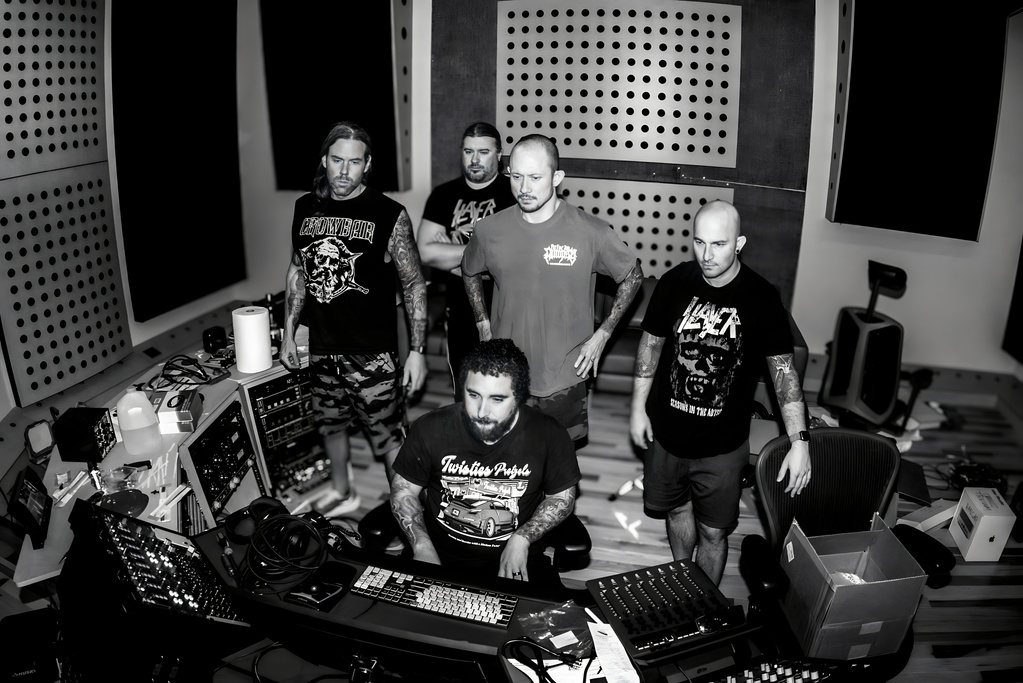
Orlando, FL, USA (July 30,2025) — Heavy metal giants Trivium have always been renowned for their powerful, intricate, and meticulously crafted sound. Now, with the completion of their cutting-edge studio, THE HANGAR, with its arsenal of guitar cabinets loaded with Celestion Vintage 30, G12M-65 and G12H-75 Creamback, G12M Greenback, and G12H Anniversary speakers, the band is set to embark on a new chapter of sonic exploration. THE HANGAR represents the band’s deep-seated commitment to sonic excellence and provides a dedicated space to push their creative boundaries.

“We wanted a space where we could be free to create on our terms and we wanted it in Orlando, so we wouldn’t need to travel to record,” says guitarist Corey Beaulieu.

Designed by renowned studio architect, Roger D’Arcy and built from the ground up to meet stringent acoustic specifications, THE HANGAR is more than just a recording studio; it’s a fully equipped creative hub where the band can write, rehearse, experiment, and record whenever inspiration strikes.

Central to this sonic exploration is an expansive collection of Celestion guitar speakers, meticulously curated and integrated into THE HANGAR’s studio arsenal.

“We’ve got Vintage 30s, G12M-65 and G12H-75 Creambacks, G12M Greenbacks, G12H Anniversaries, plus all the older models we’ve accumulated over the years,” says frontman and guitarist, Matt Heafy.

The studio boasts a diverse array of Celestion-loaded cabinets from industry-leading brands like Mesa Boogie, Marshall, and Peavey EVH. This impressive collection allows Trivium to explore the nuanced sonic personalities of each speaker and cabinet combination, ensuring they have the perfect tonal tools at their disposal.

“You’ll get different sounds from cab to cab, even if they have the same Celestion speaker,” explains Beaulieu. “So, it’s all about finding which combination works best for what we’re doing in any particular session.”

To facilitate this experimentation, THE HANGAR features a dedicated isolation booth specifically designed for speaker testing. In this sonic laboratory, Heafy and Beaulieu, along with producer and engineer Mark Lewis, can swap speakers in and out of cabinets, meticulously analyzing their characteristics and experimenting with microphone placement to capture the subtle nuances of each speaker.

“Mark has been doing surgery on all the cabs, pulling out stock speakers and doing things like placing four different Celestion speakers in the same cabinet so we can test everything with our microphone collection in our cabinet isolation booth,” says Heafy.

This commitment to meticulous experimentation is at the core of Trivium’s sonic philosophy. They understand that every element in the signal chain, from the guitar to the speaker cabinet to the microphone, contributes to the final sound.

“Any little variable in tone can be inspiring,” says Heafy. “Our mission right now in THE HANGAR, is to give our amps, cabinets, and speakers the run-through, to know which combinations will bring that extra tonal magic when we begin tracking.”

With THE HANGAR, Trivium has created the perfect environment to pursue that sonic inspiration. Powered by Celestion’s legendary speaker technology and driven by Trivium’s relentless quest for tone, this creative haven is set to become the birthplace of a new era of metal and sonic innovation.

“That’s what this quest of tone is,” concludes Heafy “This obsession with gear has always been to find something new and inspiring, and you never know where it can lead you.”

Trivium are about to embark on a tour of the UK, Europe and the US, starting the first week in August 2025. See their tour dates here.

To read the full interview with Trivium, visit the Celestion Speakerworld blog.

About Celestion

With worldwide headquarters in Ipswich, England, Celestion design, develop and manufacture high-quality professional audio loudspeakers and compression drivers for sound reinforcement, as well as premium guitar and bass guitar loudspeakers. These world-renowned speakers are used onstage and in clubs, theatres and other venues the world over. With more than 100 years of success, the company continues to offer the latest technologies and innovations in the world of loudspeakers. celestion.com

Trivium, Celestion and the Lifelong Quest for Tone

For twenty-five years, American heavy metal band Trivium has consistently pushed the boundaries of their sound, crafting a sonic tapestry that seamlessly blends intricate arrangements with crushing heaviness. Throughout their career, a constant in their sonic arsenal has been Celestion speakers, most notably Vintage 30s (and Celestion built Marshall Vintages), Creambacks, Greenbacks, and various other models. We sat down with vocalist and guitarist, Matt Heafy and guitarist, Corey Beaulieu at their newly completed studio, THE HANGAR, to talk about their musical journey, the importance of tone, and their enduring partnership with Celestion.

How did your musical journeys begin? What were some of your early influences?

Corey Beaulieu: My musical journey started with my parents and siblings always having music on in the house. The first band that really got me excited about music was Guns N’ Roses, it was the Use Your Illusion II album. When I was eight, I got my first guitar, and the more I played, the more I became drawn to playing music. Discovering more cool metal bands added fuel to the fire and here we are today.

Matt Heafy: When I was around 11, I unsuccessfully tried out for a pop-punk band. After that experience, I gave up on music, but then a friend lent me The Black Album by Metallica. One listen, and I knew that was the kind of music I needed to make. I locked myself in my room for hours learning every riff and trying to emulate those sounds. Then for my eighth-grade talent show, I covered No Leaf Clover by Metallica and afterward, I was asked to audition to be the lead guitarist of a two-week-old high-school band called Trivium. This group of 16- and 17-year-olds were skeptical when they saw a middle-schooler walk in, but I launched into For Whom the Bell Tolls, played it perfectly, and I’ve been in the band ever since.


Those were your musical influences, how about your tonal influences as a guitar player?

Matt Heafy: Obviously, The Black Album was huge for me, and in my opinion, has some of the greatest metal tones of all time. Sonically, that album made me realise you don’t need excessive gain to achieve heaviness.
Metallica led me to Pantera and Megadeth, but what really got me deep into tone was a series of records produced by Andy Sneap. I was obsessed with Jeff Loomis’s guitar sound on Nevermore’s Dead Heart in a Dead World album. I loved the lead and melody guitar sounds of Arch Enemy’s Wages of Sin and I really liked his work with Testament. Those influences ultimately led us to work with Andy on our album Ascendancy.

Let’s talk about your history with Celestion. When did you first discover these speakers and what role do they play in shaping your signature sound?

Matt Heafy: We’ve used Celestion from the very beginning. When we first started playing live, I was living the dream, playing through big Marshall cabinets on stage, I think 1960Bs. One day I looked in the back and saw the name Celestion. That was how I first came to respect the brand.

Not long after, Jason Suecof introduced us to the Celestion BVs (the Celestion-built Marshall Vintage speaker loaded into the Marshall 1960BV cab) during pre-production for our Ember to Inferno album. He explained that they break up more and have more natural distortion and compression. We were obsessed once we played through them. And when we worked with Andy Sneap on Ascendancy, he used Mesa Boogie oversized Rectifier cabs with the same speakers.

To this day, the Trivium tone generally consists of a Peavey 5150 series head and a cab loaded with Celestion BVs or Vintage 30s. Any cab we’ve ever received that didn’t already have Celestions, had Celestion put in soon after.

Corey Beaulieu: I didn’t know much about speakers when I first joined the band. In 2005, we were playing a show at a venue in Buffalo, New York. All the acts on the bill were planning to rock their own 4×12 cabs, but the stage was too small. To save space, the headliner decided we’d all share their backline cabs and just swap out our amp heads. They were using Mesa Boogie cabinets with Celestion Vintage 30s. Even though we both used the same Peavey amp model, I was blown away by the difference in tone. They sounded so much heavier and cooler than what we were using!

That night in Buffalo was an eye-opener. Once I played through a 5150 amp, paired with a Mesa cabinet loaded with Celestion Vintage 30s, I knew why I started seeing so many people playing them on tour. It became the go-to combo for metal at the time.

Can you tell us about your current live rig and how it differs from your studio setup?

Corey Beaulieu: Live, we use EVH Stealth heads and cabs loaded with the special Eddie Van Halen Celestion speakers. We don’t have a set studio rig. Peavey EVH amps are generally the foundation of everything we do, but we’re in our new studio now mixing and matching different heads, cabs, and Celestion speakers to explore the sounds we can get.

Today we have Vintage 30s in an EVH cab, BVs in a Mesa Cab, and Vintage 30s in a Marshall cab. You’ll get different sounds from cab to cab, even if they have the same Celestion speaker, so it’s all about finding which combination works the best for what we’re doing in any particular session.

Matt Heafy: We’re also playing with a ton of amps at THE HANGAR, including older Peaveys, a JSX, a Triple X, a 6534 Plus, Block Letters, a 5150 II, a 5150 III, and a Soldano. We’ve found that the older 5150s need something before the head, and are using a Maxon Red overdrive into an ISP Technologies Decimator to help us get the most out of them. I’m playing my Gibson Les Paul Standard with custom Fishman pickups.

Corey brought most of the amps and cabinets into the studio. We’re finding some of the best combos we’ve ever played through. I’m having so much fun, it’s taking me back to feeling like a kid.


What you’re doing in your new studio represents a significant step forward for Trivium.
Tell us more about THE HANGAR.

Corey Beaulieu: When we first started recording there were studios everywhere, but many large studios are closed now. Those that are left often require you to work with a specific producer. We wanted a space where we could be free to create on our terms and we wanted it in Orlando, so we wouldn’t need to travel to record.

We were inspired by Metallica’s HQ and the way they use their space to jam, rehearse, and record. We already had an old hangar that we’d set up to rehearse for tours, so the next logical step was to build a studio in it.

Our buddy, producer, and engineer, Mark Lewis introduced us to the renowned studio designer, Roger D’Arcy. Roger was convinced that taking a room in the hangar and trying to make it a studio, wouldn’t be optimal. He suggested that if we built something from the ground up, we could have the best studio room we’ve ever been in and everything would be perfect.

We agreed and Roger and Mark got to work. We took our time to make sure everything was right and didn’t cut any corners and THE HANGAR has finally come together in the last couple of weeks. Between all our guitar equipment and the new recording gear, it’s the most outfitted studio situation we’ve ever recorded in. Now we have our studio and it’s exactly the way we want it, the ways that will work best for us.

The room came out amazing. I’m excited to finally have sounds emanating from this project we’ve worked on for so long. It’s definitely in the early phase and we haven’t scratched the surface of how everything will sound with this new studio setup.

How are Celestion speakers factoring into this new creative space?

Matt Heafy: We mentioned that we’re matching speakers, cabinets and heads and we have a huge Celestion library to do it with. We’ve got Vintage 30s, G12M-65 and G12H-75 Creambacks, G12M Greenbacks, G12H Anniversaries, plus all the older models we’ve accumulated over the years. Mark has been doing surgery, swapping speakers in and out of cabs. He even put four different Celestions in a single cabinet for testing in our isolation booth.

Corey Beaulieu:  We use a variety of different makes of cabinets with our Celestions: Mesa Boogie, Marshall, and EVH. That’s because the differences in the types or thickness of wood, the way they’re constructed, the air volume in the cabinet, can bring out different characteristics from the speaker.  The same Vintage 30 in a Marshall sounds different in a Mesa cab.

Matt Heafy: Right now, our mission in THE HANGAR, is to get ideas of what we dig and those will be the launchpad where we’ll start when we begin tracking. We’ll have given all our speakers and cabinets the run-through, and we’ll know which combo will bring that extra magic to the tone that’s needed.

Any little variable in tone can be inspiring and that’s the big thing. I don’t want people to think that we’re just collecting gear to collect gear. It’s not that at all. Every little thing can drastically change how you’re performing, feeling, and playing when you’re making music and that’s all anyone is looking for. That’s what this quest of tone is. This obsession with gear has always been to find something new to inspire you to come up with new ideas, and you never know where it can lead you.

You have complex arrangements in your music, how do you balance heaviness versus clarity in your tone?

Matt Heafy: Younger guitar players tend to think that more gain equals a heftier guitar tone, but it’s really a misconception. You won’t hear what you want by having all the dials set at 10 and getting blasted with distortion. Ironically, I used to do that as a kid, but I’ve learned that less gain actually equals a tighter tone. If you look at the Peaveys we’re playing right now, our pre-gain is set around six and our post-gain is around one or two. It’s about finding the right balance of gain and volume where you still hear your hands come through.

Corey Beaulieu: When people first get into recording, it’s common to crank the gain or the low end to get that full sound. But the reality is on the records where the guitar tone is great, if you really listen there isn’t an oversaturated, crazy amount of gain. That’s because when you’re recording, you’re layering multiple rhythm tracks and everything builds up. Once you start stacking guitar parts on top of each other, if everything is high gain, you’ll end up with this mess of a guitar sound. But if you keep the gain levels moderate on your layered tracks, you get this powerful wall of guitar sound.

Any final thoughts you’d like to share with aspiring guitarists?

Corey Beaulieu: Where we’ve been talking about sounds and tone, it seems like the younger musicians of today grew up using plug-ins and amp modelers, whereas people Matt and my age, grew up playing through cabinets and heads. There’s some magic to plugging into a tube amp and speaker cabinet when that feeling, that electrifying push of air happens. It’s something you can’t recreate when you plug into your laptop.

Some guitarists need or have no choice but to play through plug-ins or samples, and they serve their purpose, but I find that there’s just this extra organic vibe, sponginess, and percussive response when playing with real heads and cabs in person. I wish more younger people could experience how cool that vibe is.

Matt Heafy: Corey and I have been sharing what we love and what makes us sound and perform our best. What we do may not work for or be accessible to everyone. So, it’s important for musicians to notice when they pick up or plug into something if it makes them feel good.

Even though it may not be what others say is correct, if you play a plastic guitar and it makes you write your best riffs, that’s the right instrument for you. If playing through a tiny Roland Micro Cube makes you feel good, that’s the right amp for you. Likewise, if you play a $10,000 handmade custom guitar and it inspires you, that’s right for you.

We’ve discovered what’s right for us from years of experimentation, research, and playing. Every musician has to find what’s right for them on their own because there’s no right or wrong answer when it comes to music. If you love it, that’s what matters and I think that’s the amazing thing about music.

##

Freshly Remastered Live at Pompeii Film Premiere Erupts with Pink Floyd’s Original Analogue PA with Celestion Drivers

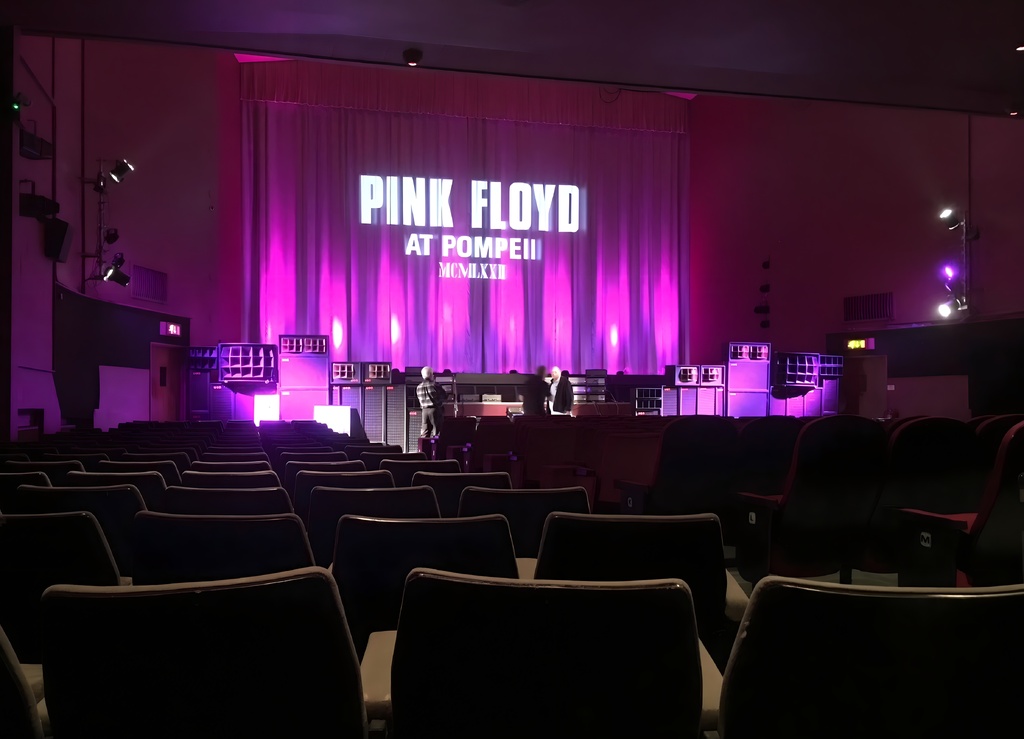
Ipswich, UK (May 28 2025) — Over half a century from its original filming, Pink Floyd’s iconic concert film, Live at Pompeii, has been digitally re-mastered in 4K with a new high-resolution, Dolby Atmos audio mix by Steven Wilson. Thanks to the meticulous restoration efforts of author and audio historian, Chris Hewitt of CH Vintage Audio, a once in a lifetime opportunity arose for attendees of the world premiere screening to experience the film’s soundtrack through Pink Floyd’s original analogue PA system used during their 1971 performance in the ancient Roman Amphitheatre. The WEM PA system, groundbreaking for its time, features period-authentic Celestion G12, G10, and MH1000 drivers.

Chris Hewitt’s journey into the world of audio began early. “I started listening to rock albums in grammar school,” he says. After leaving for college at 16, he started promoting bands through the student union. This led to work as a road manager and sound engineer, with his first festival gig coming before he turned 17, working with the Grateful Dead. Over his career, he supported a who’s-who of early punk acts including The Sex Pistols, The Damned, Motörhead, The Stranglers, and many others. Today, Hewitt owns CH Vintage Audio, housing “one of the largest collections of 1960s and 1970s sound equipment”.

Hewitt’s fascination with Pink Floyd’s started decades ago. He recalls first seeing them live around 1969 and being “blown away” by their innovative use of audio, particularly in their opening number “Alan’s Psychedelic Breakfast” which started the set with the sounds of frying eggs and bacon panning around the room. Inspired by a photo on the back of the Ummagumma album sleeve that showed the band’s gear laid out, it became a dream to one day own a large PA system like theirs.

The path to owning Pink Floyd’s actual Pompeii PA began incrementally. “I started off by buying six WEM Audio Masters that belonged to Pink Floyd,” Hewitt explains. From there, as people learned he was collecting Pink Floyd gear, offers started coming in. While some later PAs used by the band were “fairly standard technology for the time,” Hewitt notes that the Pompeii and Dark Side of the Moon PAs were “unique” and represented “groundbreaking live sound” for their era.

The Live at Pompeii PA system was created by WEM (Watkins Electric Music), a UK company considered a pioneer in large-scale concert sound reinforcement. A hallmark of the WEM sound, and this PA specifically, was their use of Celestion drivers in select models.

The system used at Pompeii featured a complex configuration on each side. This included 10 SL100 slave amps, WEM 4×12 and 2×12 PA columns loaded with Celestion and Goodman 12-inch speakers, and a WEM Festival stack. The Festival stack incorporated Celestion 15-inch bass units, Celestion 12-inch lower mids, and Celestion 10-inch cone speaker upper mid horns. Additional cabinets featured Celestion MH1000 horns and Vitavox 15 cell, multicell horns. The Celestion 12-inch and 10-inch cone speakers used were new G12 and G10 designs at the time, built with different cones and suspensions than their guitar amp counterparts, alongside the MH1000 midrange compression driver developed by Les Ward.

Hewitt highlights key technical and sonic characteristics that make the Pompeii PA stand out, especially compared to modern systems. “Technically, the special thing about the Pompeii system is that all the speakers are running full range,” he explains. Unlike modern setups which use electronic crossovers, “for the most part, in 1971, they hadn’t been invented yet.” The system operates with a stereo feed where “everything on the same channel gets the same signal.” The only thing resembling a crossover is “two 2.0 uf capacitors on the positive leg of the cable on the horn drivers. Everything else, the 15s, 12s, and 10s, even the amps, all get the same signal,” says Hewitt.

Beyond the technical design, Hewitt points to the sonic character imparted by the drivers. “The other thing I think that gave the Live at Pompeii PA and WEM speakers in general their characteristic sound, is the fact that they used English-made drivers.” He posits that speakers made in England sound different due to the damp manufacturing environment. “Celestion drivers in this PA were made in East Anglia, Ipswich,” he explains. This contrasts with American speakers of the era made in places like “sunny California,” resulting in a “damp cone when you manufacture the speaker,” that Hewitt says, “imparts tonal characteristics you can hear… a totally different sound.”

Restoring the 50-plus year-old system required significant work. “With the Pompeii PA, it’s all the actual speakers,” Hewitt notes. Some of the vintage Celestion G10s and G12s were blown, and Hewitt was able to re-cone them using drivers from his extensive, period-specific collection.

The world premiere screening with the restored PA took place at the Parkway Cinema in Barnsley. Hewitt recounts setting up the system, initially encountering a sceptical cinema audio engineer. This engineer spoke confidently about the cinema’s “state-of-the-art Dolby Atmos system, with fantastic sub-bass units, a digital desk, digital amplifiers, and racks of processors,” and initially only wanted to provide a stereo feed and suggested Hewitt not play the Pompeii system “too loud.” Hewitt listened and then politely asked ‘When I’ve plugged mine in will you at least hear how it sounds?'” Hewitt recalls. The result was immediate. “As soon as we turned the original Pompeii PA on, he changed his tune and declared ‘We won’t use the cinema sound system tonight other than the surround channels. Your analogue PA sounds so much better’.”

The screening was a resounding success, selling out the 200-seat cinema, and included three Pink Floyd fans who drove from the south of France just to have the experience. Both Sony Music and Pink Floyd’s Nick Mason have praised Hewitt’s efforts and its effect on the film’s promotion, but Hewitt noted that the response from the audience, largely comprising audio engineers and musicians, was what was exceptional. The general consensus was that it was that it “felt so authentic to hear Pink Floyd’s Pompeii performances through the actual gear they had originally performed with”. Hewitt adds what truly stands out for him, “Never in my life have I heard a PA get a standing ovation.”

Hewitt has further events planned for the Pompeii PA, including showcases at Nick Mason’s open house in Wiltshire on 7th-8th June, the Northwest Hi-Fi show in Cheshire on 20th-21st June, and PLASA, London Olympia 7th-9th September.

Looking ahead, Hewitt is busy restoring other legendary systems from his collection. “I’ve acquired David Bowie’s 1972-73 Ziggy Stardust PA and Led Zeppelin’s 1970 PA that they toured the world with,” he reveals. His ambitious plans include trying to get Robert Plant to perform through the Led Zeppelin PA and organising Bowie-themed events with the Ziggy Stardust system. Other restoration projects include recreating Sun Studio in England with authentic equipment used by Buddy Holly and Elvis Presley, and building an Abbey Road control room with gear used on Beatles recordings and mixes.

Chris Hewitt’s dedication to preserving and showcasing these pivotal pieces of audio history ensures that the groundbreaking sounds created by legendary artists and the audio companies that supported them, like Celestion, will continue to inspire and captivate new generations.

Read the full interview on the Celestion Speakerworld blog here.

About Celestion

With worldwide headquarters in Ipswich, England, Celestion design, develop and manufacture high-quality professional audio loudspeakers and compression drivers for sound reinforcement, as well as premium guitar and bass guitar loudspeakers. These world-renowned speakers are used onstage and in clubs, theatres and other venues the world over. With more than 100 years of success, the company continues to offer the latest technologies and innovations in the world of loudspeakers. celestion.com